
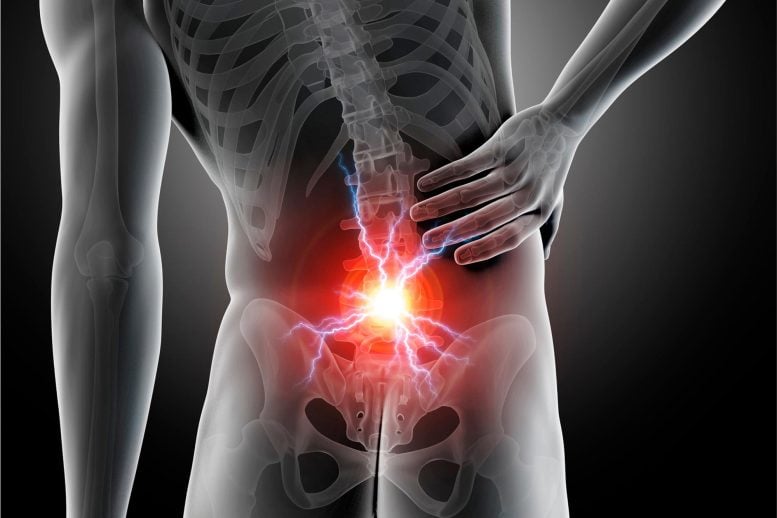
Chronic pain can affect daily life and overall well-being. A spinal cord stimulator provides an alternative approach, and it may be evaluated when other treatments have not worked. Understanding how this device works can help determine if it fits your pain management plan. Here are a few factors in understanding how spinal cord stimulation can help manage chronic pain:
Explaining the Device
A spinal cord stimulator is a small, implanted device that delivers low levels of electricity to the spinal cord. These electrical pulses interact with nerve signals, modifying the way sensations are processed before they reach the brain. The device consists of several components, including thin wires called electrodes that are positioned in the epidural space, the area surrounding the spinal cord.
A small generator, usually implanted under the skin of the abdomen or buttocks, produces the electrical pulses. This generator connects to the electrodes and regulates the stimulation. Together, these components work as a system designed to interact with the nervous system. Understanding how the device functions can help clarify its role in managing chronic pain.
The Procedure
The implantation involves a two-step approach. Initially, a trial period takes place, during which temporary electrodes are placed. An external generator is worn on a belt, allowing adjustments to stimulation levels. This period provides an opportunity to observe how the system interacts with the body.
If the trial goes as planned, a permanent device may be implanted. This procedure is minimally invasive, with permanent electrodes and a generator positioned under the skin. The process is designed to create a consistent connection between the electrodes and the generator. The physician guides each step to match individual needs.
Potential Candidates
Physicians may recommend spinal cord stimulation for people experiencing chronic pain, particularly when other treatments have not provided relief. A thorough evaluation of medical history, pain patterns, and overall health to determine whether this option is appropriate. Some specific conditions that may be addressed include:
- Chronic leg or arm pain
- Failed back surgery syndrome
- Complex regional pain syndrome
The Stimulator
After implantation, a remote control is provided to manage the stimulator. Because the device allows adjustments to pulse intensity, it can be tailored to individual comfort and turned on or off as needed. Your physician provides guidance on using the remote and monitors your experience to help fine-tune settings. Regular follow-up appointments help track changes and support ongoing adjustments.
The stimulator system includes several components that work together to deliver controlled electrical pulses. Electrodes are positioned near the spinal cord, and a small generator produces the pulses. Patients can modify stimulation levels within parameters set by their physician, which helps maintain consistency. This combination of technology and guidance offers an adaptable approach to managing chronic pain.
Start Your Spinal Cord Stimulation Journey
Skilled interventional radiologists perform spinal cord stimulator implantations, which may provide an alternative for chronic pain. This procedure interrupts pain signals at their source, and it can be an option when conservative treatments have not brought relief. Managing chronic pain often involves exploring multiple treatment options to address individual needs. Speak with a specialist to see if spinal cord stimulation could be appropriate for your situation.