
Glaucoma is a group of eye conditions that can cause permanent vision loss. It often progresses without early symptoms, and regular eye exams support early detection. Because untreated glaucoma can damage vision over time, routine monitoring is advised, and early management helps preserve eye health. This article explains why eye exams matter. It also outlines how exams support diagnosis and ongoing care.
Glaucoma Risks and Progression
Glaucoma develops when damage occurs to the optic nerve. This damage often results from increased pressure inside the eye, but other factors may contribute. There are two main types of glaucoma, and each affects eye drainage differently. Open-angle glaucoma develops slowly as fluid drainage becomes less effective, and pressure gradually increases. Angle-closure glaucoma occurs when the drainage angle becomes blocked, which causes pressure to rise quickly and requires urgent attention.
Early glaucoma usually causes no noticeable symptoms. As the condition progresses, vision changes may occur, and peripheral vision loss often appears first. In acute cases, individuals may experience eye pain or blurred vision. Risk factors include age, family history, elevated eye pressure, and certain medical conditions, and these factors increase the need for monitoring. Because risk varies between individuals, regular eye exams remain especially important for those at higher risk.
Value of Routine Eye Exams
Regular eye exams play a key role in glaucoma detection. The condition often develops without symptoms, and exams allow clinicians to identify changes early. Early diagnosis supports timely treatment, and it helps slow or prevent further vision loss. For individuals already diagnosed, exams support ongoing monitoring, and they help confirm that treatment remains effective.
Exam frequency depends on age and personal risk factors. Individuals under 40 with no risk factors may only need exams every 5 to 10 years. Adults aged 40 to 54 should schedule exams every 1 to 2 years, and those aged 55 to 64 should have exams every 1 to 3 years. For adults 65 and older, or for those with increased risk, exams are recommended every 1 to 2 years, or more often if advised by a provider. Because risk increases with age and medical history, personalized schedules are often necessary.
Screening and Treatment Methods
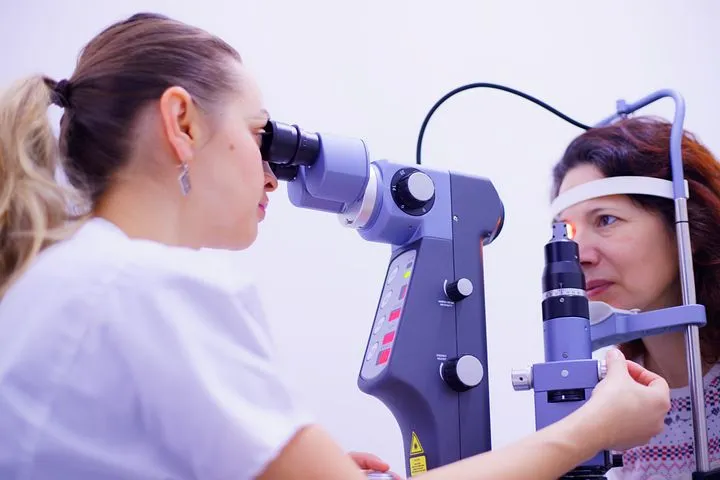
Glaucoma screening includes multiple eye tests. These tests evaluate pressure, vision, and optic nerve health. Tonometry measures eye pressure, and ophthalmoscopy allows direct examination of the optic nerve. Perimetry checks peripheral vision, which glaucoma often affects first. Gonioscopy examines the eye’s drainage angle, and pachymetry measures corneal thickness, which influences pressure readings. These tests are non-invasive, and they provide a thorough assessment when combined.
If testing confirms glaucoma, treatment options are discussed. Medications such as eye drops often lower eye pressure, and they are commonly used as first-line treatment. Laser therapy may improve fluid drainage, and surgery may be recommended in advanced cases. Because treatment plans vary, providers consider disease severity and response to care. Lifestyle factors, including nutrition and physical activity, may support overall eye health, but they do not replace medical treatment.
Schedule An Appointment
Regular eye exams support early glaucoma detection. They provide clear information about eye health, and they help guide timely care. Because glaucoma can progress without symptoms, routine exams allow providers to identify changes early and respond appropriately. Scheduling regular exams reduces the risk of vision loss, and it supports long-term eye health management. Schedule an appointment with your provider to get your eyes checked today.