
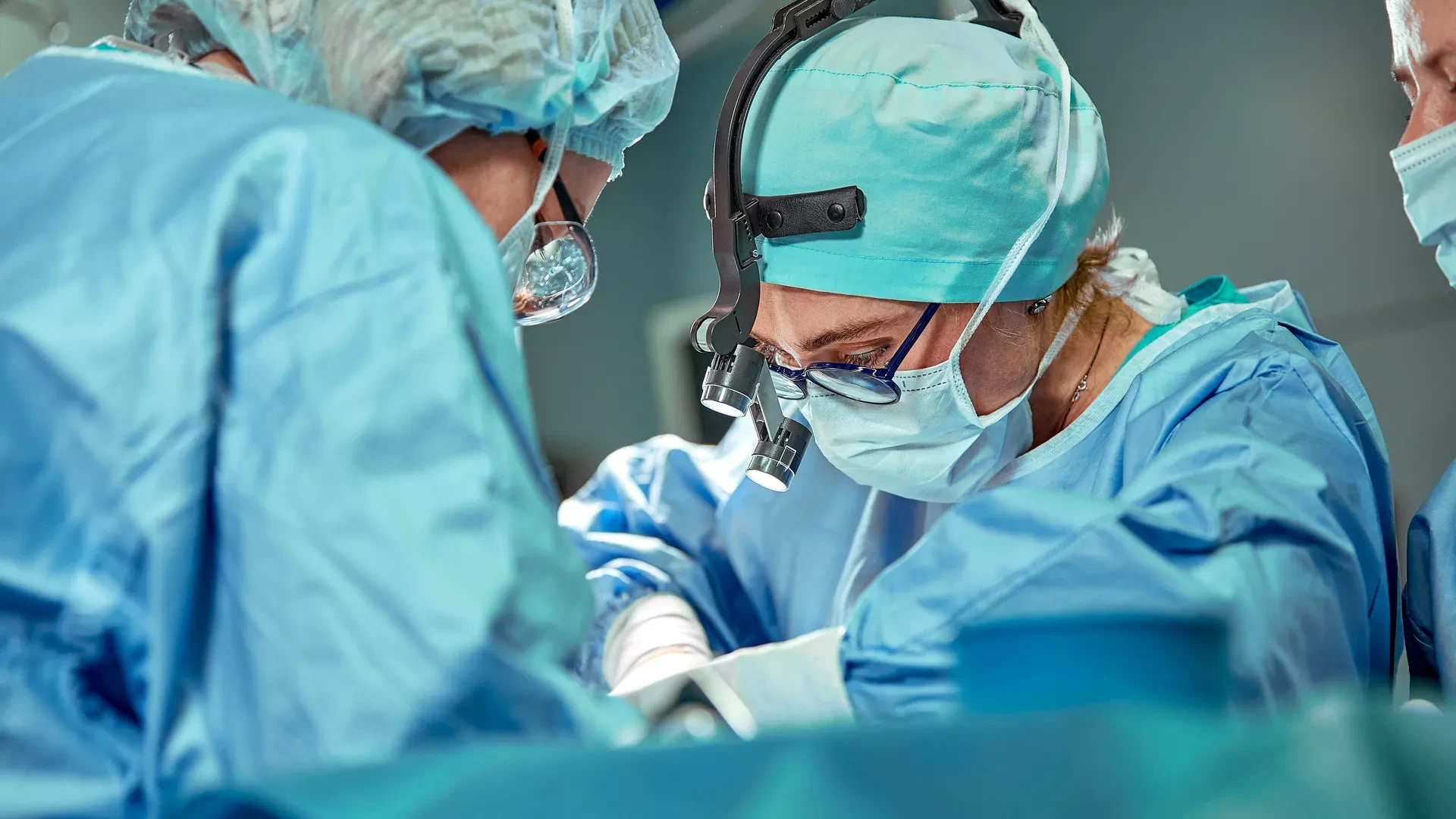
Medical science has improved rapidly over the past few decades, especially in the field of urology. In the past, many urological problems required large surgical cuts, long hospital stays, and painful recovery periods. Today, modern technology has introduced minimally invasive urology surgery options that help patients recover faster with less pain and fewer complications.
Minimally invasive surgery has become one of the most preferred treatment methods for urinary and reproductive system conditions. These advanced procedures use tiny instruments, robotic systems, lasers, and small cameras to perform surgery with greater accuracy. Patients often choose these procedures because they involve smaller incisions, less bleeding, reduced scarring, and shorter recovery times.
This informative guide by voddler.co.uk explains minimally invasive urology surgery options, their benefits, common procedures, recovery process, and the future of modern urological care.
What Are Minimally Invasive Urology Surgery Options?
Minimally invasive urology surgery refers to advanced medical procedures that treat urological conditions without large surgical cuts. Instead of traditional open surgery, doctors use small incisions, flexible tubes, robotic systems, lasers, and tiny cameras to perform operations.
These techniques are commonly used to treat conditions affecting:
- Kidneys
- Bladder
- Prostate
- Ureters
- Urethra
- Male reproductive organs
Modern urology focuses on reducing damage to healthy tissue while improving surgical precision and patient comfort.
Why Minimally Invasive Surgery Is Becoming Popular
Patients and doctors both prefer minimally invasive procedures because they offer many advantages compared to traditional surgery.
Smaller Incisions
Traditional surgeries often require large cuts that leave visible scars. Minimally invasive procedures use very small incisions, which heal faster and leave minimal scarring.
Faster Recovery
Most patients return to normal activities much sooner after minimally invasive procedures.
Less Pain
Smaller surgical openings usually result in less pain and discomfort after surgery.
Reduced Blood Loss
These procedures often involve less bleeding compared to open surgery.
Lower Infection Risk
Smaller wounds lower the chance of infection and complications.
Shorter Hospital Stay
Some minimally invasive surgeries are performed as outpatient procedures, allowing patients to return home the same day.
Better Surgical Accuracy
Modern robotic systems and cameras help surgeons perform highly precise operations.
Because of these advantages, minimally invasive surgery is now commonly used for many urological conditions.
Common Conditions Treated with Minimally Invasive Urology Surgery
Minimally invasive procedures can treat a wide range of urological problems.
Kidney Stones
Advanced procedures can remove or break kidney stones without major surgery.
Enlarged Prostate
Minimally invasive treatments improve urine flow and reduce urinary symptoms.
Prostate Cancer
Robotic surgery is widely used for prostate removal procedures.
Kidney Tumors
Doctors can remove tumors while preserving healthy kidney tissue.
Urinary Tract Obstructions
Blocked urinary pathways can often be repaired using endoscopic procedures.
Bladder Disorders
Certain bladder conditions can be treated without external cuts.
These modern procedures provide effective treatment while improving patient comfort.
Types of Minimally Invasive Urology Surgery Options
There are several advanced surgical methods used in modern urology.
Laparoscopic Urology Surgery
Laparoscopic surgery uses tiny cuts and a thin camera called a laparoscope. The surgeon views the inside of the body on a monitor and uses specialized instruments to perform the operation.
Common Uses
- Kidney surgery
- Adrenal gland surgery
- Tumor removal
- Bladder surgery
Benefits
- Less pain
- Faster healing
- Reduced bleeding
- Smaller scars
Laparoscopic surgery has become a standard option for many urological procedures.
Robotic-Assisted Urology Surgery
Robotic-assisted surgery is one of the most advanced minimally invasive urology surgery options available today.
During this procedure, surgeons control robotic arms while viewing highly detailed 3D images. The robotic system provides better movement precision and control.
Common Robotic Procedures
- Prostate removal surgery
- Kidney tumor removal
- Bladder reconstruction
- Pelvic surgery
Advantages
- Greater accuracy
- Better nerve protection
- Less postoperative discomfort
- Faster recovery time
Robotic surgery is especially popular for prostate cancer treatment.
Laser Surgery in Urology
Laser technology has transformed modern urology because it allows doctors to treat conditions without large cuts.
Laser Treatments Include
- Kidney stone removal
- Enlarged prostate treatment
- Urethral stricture repair
Popular Laser Procedures
Laser Lithotripsy
This procedure breaks kidney stones into smaller pieces that pass naturally through urine.
HoLEP Procedure
Holmium Laser Enucleation of the Prostate removes extra prostate tissue causing urinary problems.
Benefits of Laser Surgery
- Minimal bleeding
- Precise treatment
- Quick recovery
- Lower complication risk
Laser surgery is considered safe and effective for many patients.
Ureteroscopy for Kidney Stones
Ureteroscopy is a procedure where doctors insert a thin flexible scope through the urethra and bladder into the ureter to locate kidney stones.
Lasers may also be used during the procedure to break stones into smaller fragments.
Benefits
- No external cuts
- Short recovery period
- Effective for small and medium stones
Most patients return home shortly after treatment.
Percutaneous Nephrolithotomy (PCNL)
PCNL is mainly used for large or complex kidney stones. Doctors create a very small opening through the skin into the kidney to remove stones directly.
Advantages
- Effective for large stones
- Less invasive than traditional surgery
- Faster healing time
Modern mini-PCNL techniques use even smaller instruments for better patient comfort.
Minimally Invasive Treatments for Enlarged Prostate
Benign Prostatic Hyperplasia (BPH), also known as enlarged prostate, affects many older men. Several minimally invasive treatments are now available.
UroLift Procedure
The UroLift system lifts enlarged prostate tissue away from the urethra to improve urine flow.
Benefits
- No major cuts
- Quick procedure
- Faster recovery
Water Vapor Therapy (Rezūm)
This treatment uses steam to shrink extra prostate tissue.
Advantages
- Minimally invasive
- Reduced urinary symptoms
- Short treatment time
Aquablation Therapy
Aquablation uses robotic technology and high-pressure water to remove prostate tissue.
Benefits
- Precise treatment
- Lower complication risk
- Effective for larger prostates
These modern therapies provide alternatives to traditional prostate surgery.
Minimally Invasive Cancer Treatments
Modern urology also uses minimally invasive procedures for cancer treatment.
Partial Nephrectomy
Doctors remove only the diseased part of the kidney while preserving healthy tissue.
Cryotherapy
Cryotherapy destroys cancer cells by freezing them using specialized probes.
TURBT Procedure
Bladder tumors can often be removed through the urethra without external surgery.
These treatments help reduce recovery time and improve patient outcomes.
Recovery After Minimally Invasive Urology Surgery
Recovery depends on the type of surgery and the patient’s overall health. However, most minimally invasive procedures allow faster healing compared to traditional surgery.
Recovery Tips
- Drink plenty of water
- Follow doctor instructions carefully
- Avoid heavy lifting
- Take prescribed medications properly
- Attend follow-up appointments
Patients should immediately contact their doctor if they experience severe pain, fever, bleeding, or infection symptoms.
Risks and Limitations
Although minimally invasive procedures are safer in many cases, some risks still exist.
Possible Risks
- Infection
- Bleeding
- Temporary urinary discomfort
- Anesthesia complications
- Need for additional treatment
Not every patient is suitable for minimally invasive surgery. Doctors evaluate each patient individually before choosing the best treatment option.
Future of Minimally Invasive Urology
The future of urology continues improving with advanced robotics, artificial intelligence, laser systems, and imaging technologies.
Researchers are developing:
- Smarter robotic systems
- AI-assisted surgical planning
- Better laser treatments
- Advanced imaging tools
- Regenerative medicine therapies
These innovations aim to improve surgical precision, reduce complications, and make recovery even faster.
Conclusion
Minimally invasive urology surgery options have completely changed the treatment of urinary and reproductive system conditions. Procedures like robotic surgery, laser treatment, laparoscopic surgery, ureteroscopy, and PCNL offer effective treatment with less pain, smaller scars, and quicker recovery.
Modern technology continues making urological surgery safer and more comfortable for patients. As medical science advances further, minimally invasive treatments will likely become even more effective and widely available.
This detailed article by voddler.co.uk highlights how advanced urological procedures are improving patient care and helping people return to healthy lives more quickly.
FAQs
1. What are minimally invasive urology surgery options?
These are advanced surgical procedures that use small cuts, cameras, lasers, or robotic systems instead of traditional open surgery.
2. What conditions can minimally invasive urology treat?
These procedures can treat kidney stones, enlarged prostate, urinary tract problems, bladder disorders, and certain cancers.
3. Is robotic urology surgery safe?
Yes, robotic-assisted surgery is considered safe and offers better precision and faster recovery in many cases.
4. How long does recovery take after minimally invasive urology surgery?
Recovery time varies depending on the procedure, but patients usually heal faster compared to traditional surgery.
5. Are minimally invasive surgeries painful?
Most minimally invasive procedures involve less pain because they use smaller incisions and cause less tissue damage.
- How to Find Useful Information on Thesindi Com
- What Is Artificial Intelligence in Simple Terms?
- How to Find Manga Similar to Another Manga
- Magfusehub Com Responsive Design and Mobile Access
- How to Find the Right Songs for a Smooth DJ Mix