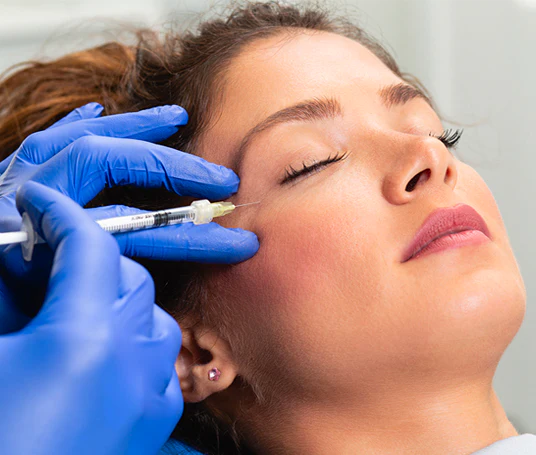
Platelet-rich plasma (PRP) therapy uses your own blood to support skin and tissue recovery. A provider draws a small sample, and a centrifuge separates the platelet-rich plasma from other components. Since platelets hold growth factors, this concentrated plasma gets applied to targeted areas. This is what you should know about PRP therapy and how it works:
Using Growth Factors
Growth factors are found in platelets. When plasma is concentrated, these proteins reach higher levels than in normal blood, and providers direct them to specific tissues. This gives the treatment the foundation that will enable your body to heal faster.
Your provider prepares the plasma right before your PRP therapy session. The sample spins in a centrifuge, and the staff measures the platelet concentration carefully. Since timing affects quality, the plasma is used soon after separation. Afterward, providers will guide you on aftercare steps to maximize the benefits and ensure optimal healing.
Injecting Into Damaged Tissue
Providers place the plasma where tissue needs attention. A trained clinician marks the area, and fine needles deliver the material to precise depths. Since accuracy matters here, staff follow detailed protocols during each step.
Major target areas include a few specific zones, and these typically involve:
- Scalp for hair-related concerns
- Skin on face showing early signs of aging
- Joints or tendons in some medical settings
Your comfort stays a priority throughout. Staff may apply a topical numbing agent, and they monitor you during the process. Since sensations vary, the team checks in with you often. This makes sure that every treatment is both effective and tailored to meet your individual needs.
Improving Circulation
Your body’s circulation carries nutrients and oxygen to skin cells. PRP treatments aim to support local blood flow, and providers watch how the treated area responds. This response differs from person to person, and your body reacts to the plasma in stages. Redness may appear first, and mild swelling sometimes follows within hours. Since these reactions are normal, staff explain what to expect beforehand.
Stimulating Healing
Healing happens through your body’s own repair systems. Growth factors signal nearby cells, and those cells begin their natural work over time. Since this process unfolds gradually, results appear across several weeks rather than instantly.
You play a significant part in your own recovery as well. Aftercare instructions include a few simple steps:
- Avoid direct sun on treated skin
- Skip harsh products for a set period
- Drink water and rest as advised
Follow-up appointments track your progress. Your provider reviews the treated area, and the two of you discuss next steps. Since everyone heals differently, your plan reflects your specific response. Consistency in following these recommendations promotes optimal results and supports long-term skin health.
Schedule PRP Therapy Sessions
PRP therapy suits some people and not others. A consultation helps clarify whether the treatment fits your goals, and a qualified provider reviews your health history first, and this conversation gives you clear expectations before you commit. Since your comfort matters, they can take time to address your concerns directly. Contact a clinic to book your consultation, and let a medical team build a plan around your needs.