
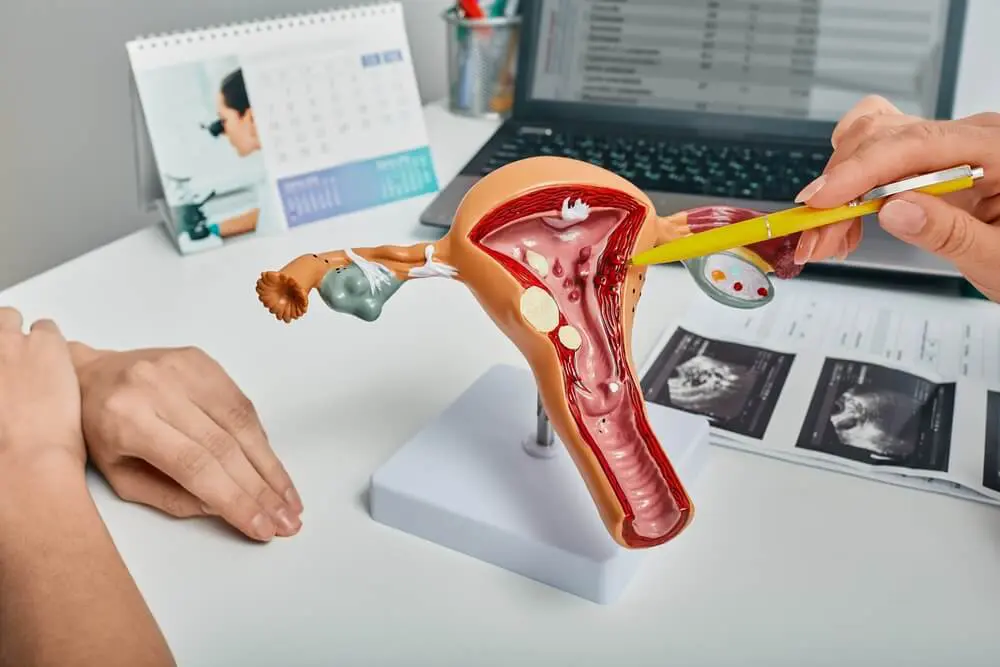
A reproductive endocrinologist specializes in hormones and reproduction. They diagnose the conditions that affect your ability to conceive, and they design treatment plans based on your results. Since many patients see several providers before referral, a focused evaluation helps clarify next steps.
Diagnosis and Testing
An endocrinologist begins by identifying the source of a fertility problem, and a thorough evaluation includes bloodwork, imaging, and a detailed health history. Hormonal imbalances often disrupt ovulation. Testing reveals the underlying cause. Common findings include PCOS, endometriosis, and insulin resistance, and each requires different management. You may have several different tests come back positive, so your provider will discuss your options. Your provider will discuss how some problems can be treated together, while others need their own approach. When pregnancy loss recurs, your specialist will discuss next steps.
Treatment Options and Approaches
Key treatment approaches include:
- Ovulation Induction: Medication stimulates egg development and is often combined with IUI to improve conception chances.
- IVF: Your provider retrieves eggs, fertilizes them in a lab, and transfers them to your uterus in carefully timed stages.
- PRP Treatment: A more natural option that supports fertility improvement for eligible patients.
- Genetic Testing: Used alongside treatment for recurrent pregnancy loss to inform decisions about embryos.
- Structural Treatment: Uterine fibroids or a uterine septum may be addressed to support implantation.
Ovulation induction uses medication to stimulate egg development in patients who ovulate irregularly. It is often one of the first treatment options, and it can be combined with intrauterine insemination (IUI) to improve conception chances. Your specialist monitors your response closely, and they adjust the dosage as needed. In vitro fertilization (IVF) supports conception when other methods do not succeed, and it involves several monitored steps. Eggs are retrieved, fertilized in a lab, and transferred to the uterus; each stage is carefully timed.
Fertility Preservation and Options
Fertility preservation gives you options for building a family later. This service suits patients facing medical treatments that may affect fertility, and it also supports those delaying pregnancy for personal reasons. Egg freezing is a common method, and it works by retrieving and storing unfertilized eggs for future use. Embryo freezing follows a similar process, but eggs are fertilized before storage, so frozen embryos are available for a future transfer. Both options give you more control over timing, and your specialist will help you decide which approach fits your situation.
Your endocrinologist reviews your hormone levels and ovarian reserve before recommending a preservation plan. Results vary from patient to patient, so your specialist sets expectations based on your profile. Fertility preservation is also relevant for patients managing conditions like endometriosis or those preparing for treatments that may reduce ovarian function. Starting the conversation early gives you more options. Your care team can walk you through each step at your own pace.
Book an Endocrinologist Consultation
A reproductive endocrinologist connects diagnosis with targeted treatment. Testing identifies the cause, and a tailored plan follows from those findings. If you are ready to understand your options, schedule a consultation. Your specialist will review your history, and they will recommend clear next steps.