
Vein surgeons treat conditions that affect your veins, and these include varicose veins and vascular disorders. They study the circulatory system and perform procedures to treat vein disease. When you know what to look for, the search becomes more manageable. Here are some tips to help you choose a vein surgeon to address your individual needs:
Identify Vein Symptoms
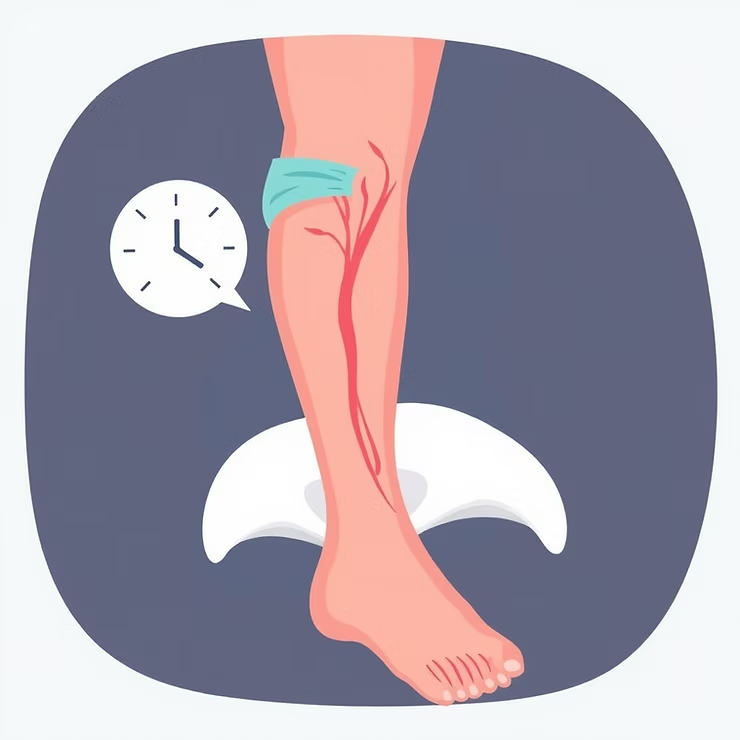
Start by paying attention to what your body tells you. Vein problems may show clear signs, and these signs guide the type of care you seek. Major symptoms include swelling, aching, and visible bulging veins near the surface of the skin. Watch for these indicators:
- Leg heaviness after standing
- Skin discoloration around the ankles
- Cramps or throbbing at night
When you track these symptoms, you give the vein surgeon useful details. A written list helps during your first visit, and it keeps the conversation focused. This preparation saves time for both you and the surgeon.
Evaluate Specialized Services
A vein surgeon may offer many different treatments. Review the full list of services before you book, and match those offerings to your specific condition. Some clinics focus on cosmetic concerns, while others treat medical vein disease.
Ask direct questions about what each practice performs. When a clinic covers both diagnosis and treatment, you avoid multiple referrals. This one-stop approach may reduce the number of appointments you need. A broad service menu typically indicates depth of experience.
You should also inquire about the doctor’s qualifications, such as board certifications or specialized training in vein care. Many clinics provide minimally invasive options that require little downtime and produce long-lasting results. If your condition requires more advanced care, make sure the clinic is equipped to treat complex cases with modern technology.
Find Advanced Procedures
Modern vein care uses techniques that require less recovery time. Look for surgeons who perform minimally invasive procedures, and confirm they hold proper training. Endovenous laser ablation treats larger veins through a small entry point.
Several procedures reflect current practice:
- Radiofrequency ablation
- Sclerotherapy for smaller veins
- Phlebectomy
When you understand these options, your questions may become sharper. Ask how often the surgeon performs each one, and ask about their track record. A surgeon who explains these methods clearly shows a strong grasp of the field. That transparency helps you make an informed choice.
Look for On-site Lab Testing
Diagnosis typically relies on imaging and lab work. A clinic with on-site testing keeps your care under one roof, and this setup shortens the wait for results. Ultrasound scans reveal how blood moves through your veins.
When testing happens in the same building, your appointments flow more smoothly. You skip trips to outside facilities, and the surgeon reviews results faster. This arrangement gives the surgeon a complete picture during your visit. Ask whether the practice runs diagnostic ultrasound in-house before you commit.
Visit a Vein Surgeon
Bring your symptom list and prepare a few questions about their approach, because a face-to-face visit reveals how the surgeon communicates and answers concerns. Schedule a consultation with a qualified vein surgeon in your area today. Write down your questions, gather your medical history, and take the first step toward addressing your vein concerns.