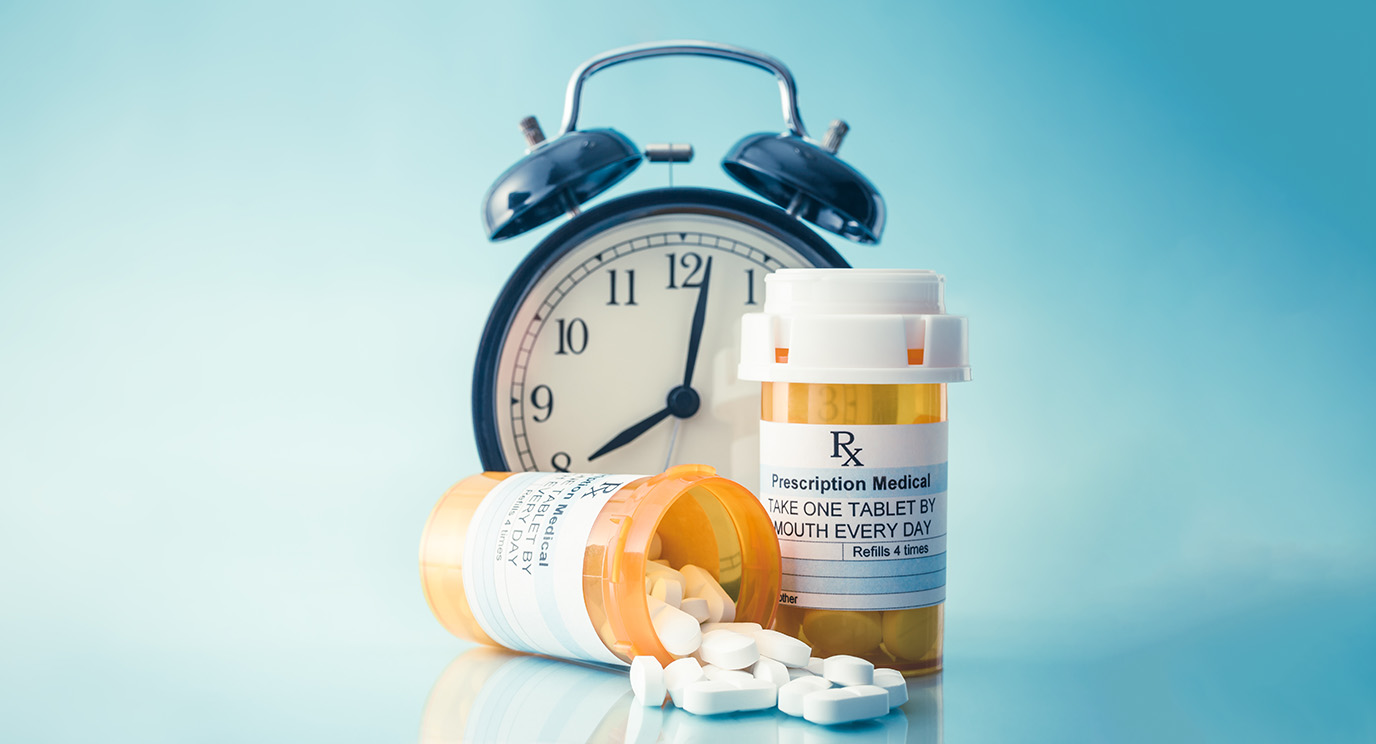
A storm, flood, power cut, or transport problem can make it difficult to reach a pharmacy. For people who take medicine daily, even a short delay may create health risks. Keeping emergency prescription medications at home can help, but it must be done carefully.
Preparation means working with a doctor or pharmacist to create a safe backup plan for medicines you already need. It does not mean buying random drugs, keeping unfinished treatments, or treating yourself without medical advice.
Why an Emergency Medicine Plan Matters
Many people rely on daily medicines. During a disaster, roads may close, pharmacies may lose power, and deliveries may stop. Preparation can reduce missed doses, confusion, and rushed decisions.
The CDC advises people to speak with a doctor or pharmacist about creating an emergency medicine supply. It also recommends keeping an updated list of prescriptions, doses, allergies, and medical needs. Ready.gov recommends including prescription medicines in a household emergency kit.
An emergency plan is especially important for people with long-term medical conditions. It may also be valuable for older adults, children with special healthcare needs, people with disabilities, and anyone who depends on refrigerated medicine or medical equipment.
Start With Your Doctor or Pharmacist
Do not create an emergency supply by changing your treatment plan on your own. Ask your doctor or pharmacist how much extra medicine may be safe and legally available.
Refill rules can vary depending on the medicine, pharmacy, insurance plan, and local laws. Some controlled prescription medicines have strict limits and may not be available for early refills.
Ask your healthcare professional which medicines must not be stopped suddenly, what to do after a missed dose, and whether your medicine requires special storage. Your pharmacist can also explain how heat, cold, moisture, and power cuts may affect each product.
Never take a prescription written for another person, even when that person appears to have similar symptoms. Prescription medicines are selected for an individual based on factors such as health history, age, other medicines, allergies, and the correct dose. The FDA states that prescription drugs are intended for the person for whom they were prescribed.
Make a Complete Medication List
A written medication list can prevent mistakes during an emergency. Keep one copy with your emergency supplies and another in a secure digital location.
For every medicine, record its name, strength, purpose, normal dose, schedule, expiration date, and storage requirements. Include the name and phone number of your doctor and pharmacy.
Your list should also contain your medical conditions, allergies, emergency contacts, insurance details, and information about any medical devices you use. Remember to add over-the-counter medicines, vitamins, and supplements because these products may interact with prescription drugs.
The FDA recommends maintaining an updated list of all medicines and sharing it with healthcare professionals when necessary.
Review the list whenever a prescription is started, stopped, or changed.
Store Medicines Safely
Heat, moisture, direct sunlight, freezing temperatures, and contaminated water can damage medicines. Keep prescriptions in their original labeled containers unless a healthcare professional gives you different instructions.
The original label identifies the patient, medicine, strength, dose, and directions. It may also contain warnings and important storage information.
Choose a cool, dry place that children and pets cannot reach. Use a locked cabinet or secure medicine box when needed. Avoid steamy bathrooms, hot kitchens, windowsills, and vehicles.
A car can become extremely hot or cold, so it is usually not a safe place for long-term medicine storage.
In areas where flooding is possible, place medicine containers inside a waterproof bag or sealed box. The FDA warns that extreme temperatures and contact with contaminated water can affect medicine during emergencies and natural disasters.
Plan for Refrigerated Medicine
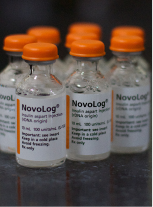
Some medicines need controlled temperatures. Ask your pharmacist exactly how your medicine should be stored and how long it can remain outside a refrigerator.
Storage rules are different for every product, so do not guess based on how another medicine is handled.
Your emergency kit may need an insulated cooler and chemical cold packs. Do not place medicine directly against a frozen pack unless the product instructions say it is safe. Freezing can damage certain medicines just as heat can.
During a power failure, keep the refrigerator door closed as much as possible. This may help the inside remain cool for longer.
After flooding, unusual heat, freezing, or a long power cut, contact a pharmacist before using medicine when you are unsure about its condition. Do not judge safety only by the medicine’s color or appearance.
Check and Rotate Your Supply
An emergency supply should not become a forgotten box of old medicine. Review it every few months.
Check expiration dates, labels, packaging, quantities, and storage conditions. Look for damaged containers, missing instructions, moisture, leaks, or other changes.
Use older, unexpired medicine first and replace it with a newer refill when your pharmacist says this is appropriate. This simple rotation method can reduce waste and help keep your supply current.
The FDA explains that an expiration date shows how long a medicine is known to maintain its strength, quality, and purity when stored according to its instructions. Do not depend on expired medicine as part of your emergency plan.
Prepare a Portable Medicine Kit
An emergency may require you to leave home quickly. Store your medicines in a secure, durable bag that is easy to carry.
Add your medication list, copies of prescriptions when available, basic medical supplies, spare glasses, and important phone numbers.
Include any items needed to use your treatment, such as syringes, inhaler spacers, glucose-testing products, alcohol wipes, or hearing-aid batteries.
Used needles and syringes should be placed in a proper sharps container. They should never be left loose in a bag or placed directly into household trash.
Make sure a responsible household member knows where the kit is kept. However, do not place it where children can open it or where heat and moisture can damage its contents.
Avoid Dangerous Medication Mistakes
A home emergency kit should support a treatment plan approved by a healthcare professional. It should not encourage self-diagnosis or prescription drug use “just in case.”
Do not save leftover antibiotics for a future cough, fever, cold, or sore throat. The antibiotic may be wrong for the future illness, and the remaining amount may not be enough to complete the required treatment.
The CDC advises people not to save antibiotics for later, share them, or take antibiotics prescribed for another person.
Do not combine medicines, double a dose, crush tablets, or open capsules unless a doctor or pharmacist confirms that it is safe. Some tablets have special coatings or release medicine slowly, so changing their form may create risks.
Never remove labels, mix different prescriptions in one bottle, or share your medication.
Be careful with online health information. Websites such as urgentcarekit.com may help readers prepare questions or learn about emergency planning. However, no website should replace advice from a licensed doctor, pharmacist, emergency service, or official public-health organization.
Know When to Get Urgent Help
Keeping emergency prescription medications at home is not a replacement for urgent medical treatment.
Call your local emergency number when someone experiences trouble breathing, severe chest pain, signs of a stroke, a serious allergic reaction, uncontrolled bleeding, loss of consciousness, a suspected overdose, or another life-threatening problem.
Keep contact information for your doctor, pharmacy, poison control service, and nearest emergency facility inside the kit. During a disaster, follow instructions from local authorities and emergency responders.
Dispose of Old Medicine Properly
Remove expired, damaged, or discontinued medicine from your active emergency kit.
The FDA states that medicine take-back locations and mail-back programs are the preferred disposal methods for most unused or expired medicines. When these options are unavailable, follow the product label and official local disposal instructions.
Do not automatically flush medicine down a toilet or sink. Only certain medicines should be flushed when a take-back option is unavailable.
Remove or cover personal information on empty packaging. Until unwanted medicines can be disposed of, keep them secured away from children, pets, and visitors.
Final Thoughts
Preparing emergency prescription medications at home is a practical part of household safety. The best plan is simple: speak with your healthcare team, maintain an accurate medication list, store every product correctly, rotate your supply, and know when to get professional help.
A well-organized medicine kit can reduce confusion and help you continue an approved treatment plan until normal pharmacy and healthcare services return.
Frequently Asked Questions
1. How much prescription medicine should I keep for an emergency?
The correct amount depends on your medical condition, type of medicine, refill rules, and local risks. Ask your doctor and pharmacist what is safe and permitted. Never skip normal doses to create an extra supply.
2. Can I store leftover antibiotics for emergencies?
No. Leftover antibiotics may be the wrong type, dose, or treatment length for a future illness. Only take antibiotics prescribed for your current medical condition.
3. Should medicines remain in their original bottles?
Usually, yes. Original containers show the patient’s name, medicine strength, directions, warnings, and expiration date. Ask a pharmacist before transferring prescription medicine into another container.
4. What should I do if refrigerated medicine becomes warm?
Check the product instructions and contact a pharmacist or manufacturer. Different medicines have different temperature limits, so do not assume that the product is safe or damaged.
5. How often should I review my emergency medication kit?
Check it every few months and before severe-weather seasons, evacuation risks, or travel. Review expiration dates, quantities, packaging, contact details, cooling supplies, and recent prescription changes.