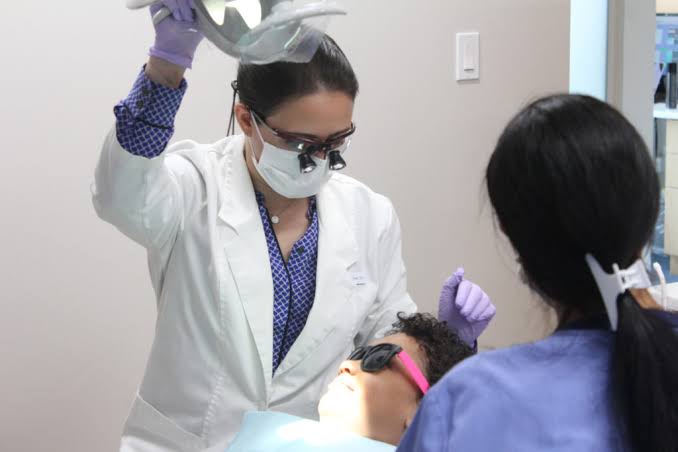
Dentists are healthcare providers who focus on your teeth and gums, and maintaining your oral health requires daily care. They perform cleanings and they check for problems during routine visits. Since your teeth need daily attention, the care you give at home matters between appointments. Here are some tips for maintaining oral health in between dentist visits:
Brush Twice Daily
Brushing twice a day removes plaque from your teeth. When you brush in the morning and at night, you clear away food that feeds bacteria. Use a soft-bristled brush, and hold it at a slight angle toward your gums. Two minutes is enough time for each session.
Toothpaste with fluoride strengthens your enamel, and it helps guard against decay. Replace your brush every three months. Since worn bristles may clean poorly, an old brush leaves plaque behind. Small habits help protect your teeth until your next visit to the dentist.
Floss Regularly
Flossing reaches spaces your brush misses. When you floss once a day, you clear debris from between your teeth. Use a gentle motion, and you can curve the floss around each tooth. This step keeps your gum line clean.
Here are a few flossing tips to keep in mind:
- Use about 18 inches of floss for a fresh section each time
- Try floss picks if standard floss feels awkward
- Move slowly to avoid cutting your gums
Since gums may bleed at first, consistency helps them settle. Daily flossing supports gum health, and it lowers your risk of buildup. Stick with the routine.
Limit Sugar Intake
Sugar feeds the bacteria that cause cavities. When bacteria break down sugar, they produce acid that wears at enamel. Sticky sweets cling to your teeth, and they linger longer than you might expect. Frequent snacking raises your exposure.
You do not need to give up sugar completely. Try these small swaps to reduce your intake:
- Drink water instead of soda or juice
- Choose fruit over candy when you want something sweet
- Rinse your mouth after eating sugary foods
Since timing matters, eating sweets with meals limits acid attacks. Reading labels helps too, and it shows hidden sugar in common foods. Balance is the goal.
Monitor Mouth
Watching your mouth helps you catch changes early. When you notice a new spot, sore, or ache, note how long it lasts. Check your gums for redness, and look for swelling near your teeth. Early attention may make follow-up easier.
Some signs require a closer look during your next visit. Since these clues point to problems, tracking them gives your dentist useful details. Bad breath that does not fade may signal buildup, and sensitivity to hot or cold suggests worn enamel. Keep a simple mental list.
Loose teeth are never normal in adults. When you feel movement, mention it right away. Bleeding that continues past a few days needs attention, and persistent pain does too. Share what you observe with your dental team.
Schedule a Dentist Visit
Home care handles daily maintenance, but it does not replace professional cleanings. When you see your dentist twice a year, you catch issues that hide below the surface. A checkup includes an exam, and it typically includes an X-ray; these steps reveal what home tools miss. Book your next appointment online today, and pair your daily habits with regular professional care.