

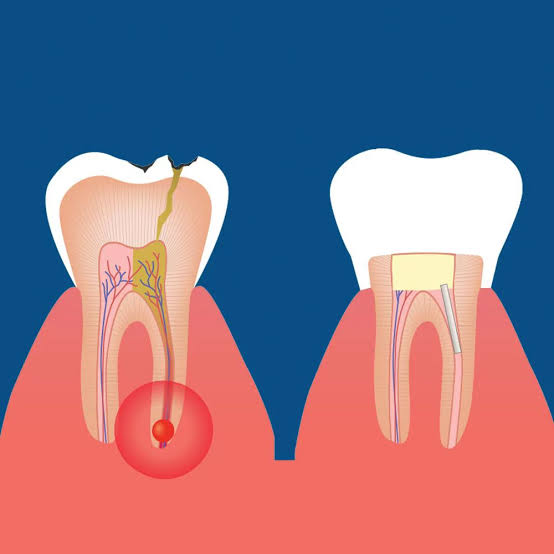
A root canal treats infection deep inside your roots, and it saves your natural tooth. When decay reaches the soft center, the pulp becomes inflamed, and pain often follows. Your dentist removes the damaged tissue during this treatment. Root canal treatment follows clear steps, and these include the following:
Rubber Dental Dam
Your dentist places a rubber dental dam over the affected tooth. This thin sheet keeps the area dry during root canal treatment, and it blocks saliva from reaching the treatment site. The dam isolates one tooth while your dentist works around it.
Since the tooth stays clean, bacteria have fewer chances to spread. The dam is soft, and it fits securely around the tooth’s edge. Your dentist positions a small clamp to hold everything in place.
Decayed Pulp Removal
The dentist numbs the area first with local anesthetic. Once the tooth feels numb, a small opening gives access to the inner chamber. Your dentist removes the infected pulp, and tiny files clean the narrow canals inside.
These canals hold nerves and blood vessels that supply the tooth. After the pulp comes out, the dentist shapes each canal carefully. A cleaning solution rinses debris away, so the space stays free of bacteria.
Next, the canals are dried thoroughly using small absorbent materials. The dentist then fills each cleaned canal with a biocompatible material called gutta-percha, which helps seal and protect the tooth from bacteria. Once this step is complete, a temporary filling is placed to close the opening until the permanent restoration is ready.
Protective Filling
Your dentist fills the empty canals with a rubber-like material called gutta-percha; this material seals the space, and it stops bacteria from returning. During this step, the dentist checks each canal for a snug fit. A sealer paste locks the gutta-percha in place. Since the seal matters, your dentist confirms the fit with an X-ray before moving on.
Dental Crown
A crown protects the tooth after treatment because the tooth grows more brittle. Your dentist takes an impression, and a lab builds a custom crown to match your bite. The crown covers the entire visible surface.
Some crowns take a couple of weeks, so you may wear a temporary one first. The permanent crown is cemented over the tooth during a second visit. Once placed, it restores the tooth’s shape and normal chewing function.
Crowns may come in several materials, and each type suits different needs:
- Porcelain, which blends with surrounding teeth
- Metal, which handles heavy chewing pressure
- Porcelain-fused-to-metal, which combines strength and appearance
Your dentist recommends the option that fits your tooth and budget. The choice depends on the tooth’s location. Since back teeth take more force, sturdier materials may work better there. Persistent tooth pain signals an infection that needs attention.
Schedule Root Canal Treatment
A root canal follows a clear sequence from start to finish, and each step targets the infection and restores the tooth’s structure. If you have questions, your dental team walks you through every stage, so ask about timing, materials, and what to expect after each visit. Call a dental office today to book your root canal appointment, and a team can explain your options and schedule a time that works for you.