

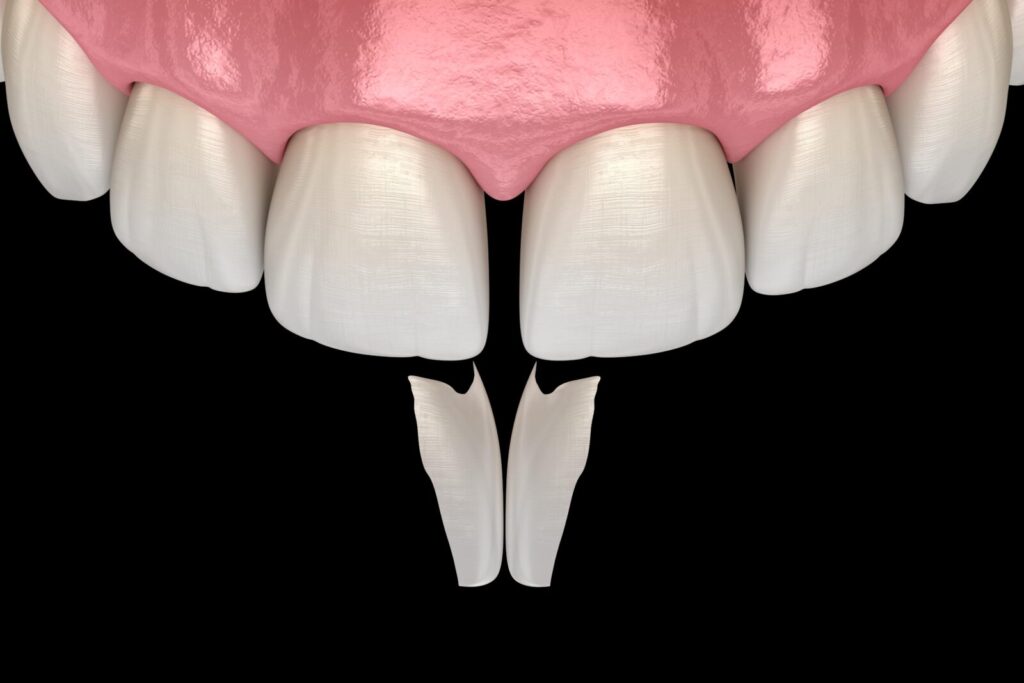
Dental veneers are thin shells that attach to the front surface of teeth to change their appearance. Made from porcelain or composite resin, they cover imperfections and adjust the shape, size, and color of visible teeth. Dentists often recommend veneers for people who want to refine specific features of their smile, including spaces between teeth. Here’s information on dental veneers, how they are installed, and what makes someone a suitable candidate:
How Veneers Treat Minor Concerns
Veneers focus on the aesthetics of teeth rather than their internal structure, so they work best for surface-level concerns that affect the look of a smile. Porcelain veneers are custom-crafted in a dental lab and bonded to the tooth surface. They are durable, and they resist staining well over time. Composite veneers use a tooth-colored resin that a dentist applies and shapes directly onto the tooth during the appointment. The two types differ in durability, application time, and longevity.
Porcelain typically requires more than one visit, while composite can be completed in a single session. Both aim to blend naturally with surrounding teeth. Veneers cover a range of visible imperfections. Some common concerns include chips, discoloration, uneven shapes, and small spaces between teeth. They can also improve the appearance of worn edges or slightly misaligned front teeth.
How Composite Veneers Hide Gaps
Composite veneers close gaps by adding material to the sides of adjacent teeth. The dentist applies resin, shapes it to widen each tooth slightly, and reduces the visible space between them. This technique adjusts proportions so the teeth appear more evenly spaced. A dentist selects a shade that matches your natural teeth, then sculpts the resin by hand before hardening it with a curing light. Because the material is placed layer by layer, the dentist controls the exact width and contour of each tooth. Small gaps often respond well to this method, and larger spaces may require additional planning.
Who an Appropriate Candidate Is
Because veneers change only the outer surface, they suit patients whose underlying teeth are otherwise healthy. Not every gap is best treated with veneers, so an evaluation beforehand is necessary. A candidate typically has healthy teeth and gums, and when treating a tooth gap, they have a gap that is small and suitable for resin bonding. Good oral hygiene also supports the longevity of any veneer.
Several factors influence someone’s veneer candidacy:
- The size and location of the gap
- The health of the surrounding teeth
- The bite alignment and how the teeth meet
- The goals for the final appearance
People with active decay or gum concerns may need those issues addressed first. Those with very large gaps might discuss other options during their evaluation. A dentist reviews these details before recommending a treatment plan. Grinding, biting hard objects, or frequent staining foods can affect how composite veneers hold up. Discussing lifestyle factors and habits helps set realistic expectations for the outcome.
Schedule a Veneers Consultation
A consultation is the first step toward getting veneers. During this visit, a dentist examines your teeth, discusses your goals, and reviews whether composite or porcelain suits your situation. Every smile is different, and a professional assessment provides the clearest picture of your options. This appointment also gives you the chance to ask questions about the process, timeline, and care. To determine if veneers are appropriate for your cosmetic needs, schedule a consultation with a dental practice near you today.
- Mental Health Counseling in Omaha, Nebraska: Personalized Support From Plains Therapy Group
- Is Almawadahit.com Safe and Reliable to Use?
- How to Find Information on Magfusehub.com
- Overcoming Common Obstacles to Fitness With a Personal Trainer’s Guidance
- Fentanyl Safety and Recovery Support in San Diego, California