

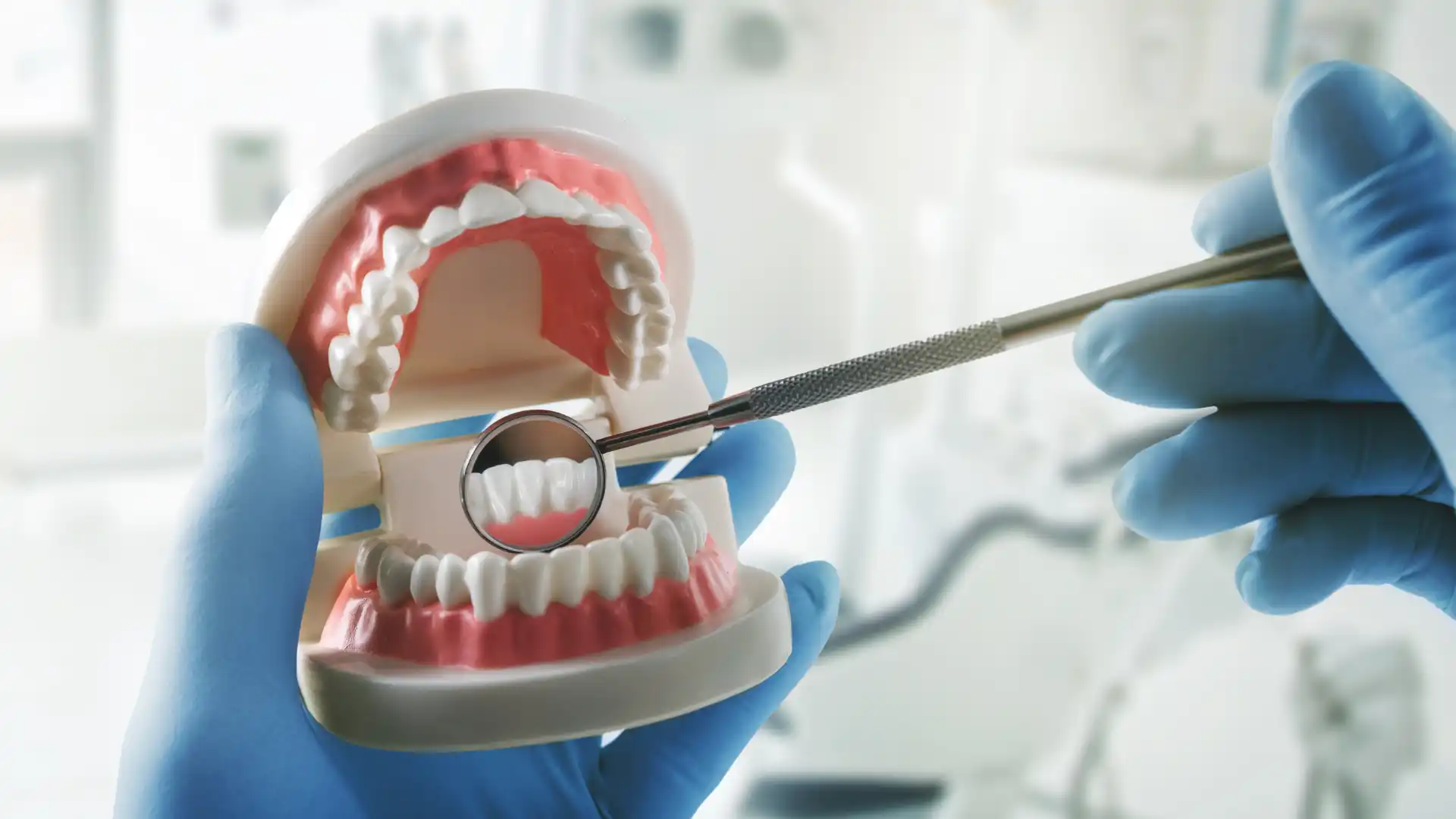
Your mouth is part of your bodily systems, and what affects your mouth can influence your overall wellness and physical health. A dentist does more than clean teeth and fill cavities. They examine the tissues, gums, and structures that support daily function. Here is more information about how visiting a dentist can contribute to your overall wellness:
Prioritizing Your Oral Health
Oral health refers to the condition of your teeth, gums, tongue, and the soft and hard tissues inside your mouth. It describes the absence of decay and infection; it also includes the ability to chew, speak, and swallow without discomfort. A healthy mouth is one factor that supports these functions every day.
Maintaining oral health matters because problems in the mouth can affect how you eat and communicate. When teeth are missing or gums are inflamed, people sometimes adjust their diets or avoid social situations, and these changes can influence their physical health and wellness. A dentist can contribute to patient wellness by providing preventive care and other resources.
Restoring Missing or Damaged Teeth
Restorative dentistry repairs or replaces damaged and missing teeth, and this work helps people return to normal chewing and speaking. A dentist selects treatments based on the condition of the teeth, the surrounding bone, and the patient’s goals. Restorative dentistry offers a range of treatments for various needs:
- Dental implants: replace missing tooth roots with posts that hold artificial teeth securely in place.
- Crowns: cover damaged teeth to restore their shape and function.
- Bridges: fill gaps by anchoring replacement teeth to neighboring ones.
- Dentures: provide a removable solution for those missing several or all of their teeth.
- Root canal treatment: removes infected tissue from inside a tooth, preserving the natural structure.
Snoring and Sleep Apnea Concerns
Some sleep concerns relate to the position of the jaw and the space in the airway during rest. Oral appliance therapy is one option a dentist may provide for snoring and mild to moderate obstructive sleep apnea. These custom devices reposition the lower jaw or tongue to help keep the airway open, and patients wear them during sleep. A dentist takes impressions and adjusts the appliance to fit the individual’s mouth.
Preventing Common Dental Problems
Regular cleanings remove plaque and tartar that brushing alone may miss. During an exam, a dentist can spot small issues before they grow larger, and this helps reduce the need for more involved treatment later. Fluoride applications and sealants are also preventive measures for some patients. Preventive dental care includes:
- Routine checkups
- Professional cleanings
- Examinations
- Patient education
Brushing at least twice daily, cleaning between teeth with floss, and following a dentist’s guidance are appropriate pieces of a consistent routine.
Find a Qualified Dentist Today
Regular visits to the dentist have many benefits, and attending your regular professional cleanings can help your dentist identify issues in their early, treatable stages. Some dentists also provide sedation dentistry for patients who experience dental anxiety. To learn more about the benefits of regular dental care, consult a dental office near you.
- Mental Health Counseling in Omaha, Nebraska: Personalized Support From Plains Therapy Group
- Is Almawadahit.com Safe and Reliable to Use?
- How to Find Information on Magfusehub.com
- Overcoming Common Obstacles to Fitness With a Personal Trainer’s Guidance
- Fentanyl Safety and Recovery Support in San Diego, California