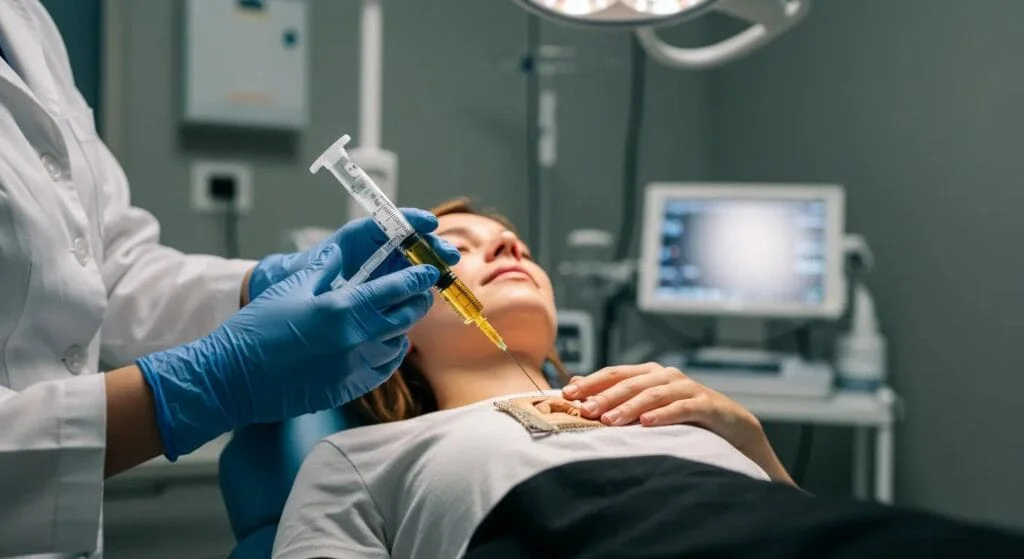
Regenerative medicine uses your body’s own materials to support tissue repair, and there are several treatments available. These treatments draw on cells, plasma, and natural growth factors. Since the field keeps growing, more people ask about it during wellness visits. Here are some regenerative medicine treatment options and how they work:
Regenerative Cellular Therapy
Regenerative cellular therapy focuses on specialized cells. These cells come from approved sources, and a provider delivers them under strict guidelines. Since protocols for this treatment vary, your provider explains the source before treatment.
Providers may use these cells to support areas showing wear, and the approach targets tissue that has changed over time. You discuss your history first, and the provider reviews whether the therapy fits; this step keeps the plan grounded in your needs. Since each factor shapes the plan, the provider walks through them with you. A regenerative medicine consultation sets clear expectations before anything begins.
A consultation typically covers a few points:
- Your medical background and current medications
- Your specific area you want to address
- Your number of sessions the provider recommends
Platelet-rich Plasma
Platelet-rich plasma (PRP) starts with a small sample of your blood. A provider spins the sample in a machine, and this step separates the platelets. Since platelets hold growth factors, they play a role in the body’s repair process.
The concentrated plasma is then injected into a targeted area. This method appears in skin treatments and joint care. Providers may pair PRP with microneedling, and some use it for scalp concerns. You receive a plan based on your specific goals.
This natural, minimally invasive treatment continues to be useful due to its ability to rejuvenate and heal. PRP therapy is quick and straightforward, typically in a short visit. While results may vary based on individual skin conditions or concerns, clients may notice visible improvements in texture and tone within weeks.
Injected Prolotherapy
Prolotherapy involves an injected solution, typically a dextrose mixture. The solution prompts a mild response at the site. Since the body reacts to this stimulus, it directs attention toward the treated tissue.
Providers typically use prolotherapy for joints and connective areas. A single visit may include several small injections, and the number depends on the site. You might return for follow-up sessions over a set schedule.
Preparation for prolotherapy stays simple:
- Share any allergies or sensitivities beforehand
- Follow the pre-care steps your provider lists
- Plan for a short recovery window after the visit
These steps keep the process organized. Since the plan is spaced across appointments, your provider tracks progress at each stage. Prolotherapy is a straightforward procedure, but it’s wise to adhere to your provider’s guidelines closely, as doing so leads to optimal results and minimizes any potential discomfort during recovery.
Schedule Regenerative Medicine Treatment
Regenerative medicine covers various methods, each with its own process. Each option follows its own method, and each starts with a personalized consultation. Since your history matters, a qualified provider reviews it before any treatment. Contact a medical clinic to book a consultation, and a team of staff will walk you through the details.
- Mental Health Counseling in Omaha, Nebraska: Personalized Support From Plains Therapy Group
- Is Almawadahit.com Safe and Reliable to Use?
- How to Find Information on Magfusehub.com
- Overcoming Common Obstacles to Fitness With a Personal Trainer’s Guidance
- Fentanyl Safety and Recovery Support in San Diego, California