

Internal medicine focuses on adult health, and it covers a wide range of conditions. Doctors in this field diagnose and treat chronic illnesses. When you live with a long-term condition, an internal medicine physician coordinates your ongoing care. Here is more information on chronic disease management approaches in this field of medicine:
Prescription Medications
Medications form a major component of chronic disease management at an internal medicine clinic. Doctors prescribe drugs to control symptoms, and they adjust doses based on your response. When your condition changes, your physician may switch or combine treatments to match your needs.
Regular monitoring shapes how doctors handle prescriptions. Blood tests track your progress. Your physician reviews these results, and they update your plan when the numbers shift or side effects appear. Some medications treat conditions like these:
- High blood pressure
- Chronic diabetes
- High cholesterol
- Thyroid-related disorders
Adherence affects how well a medication works. You take doses on schedule, and you report any reactions to your doctor. When you skip doses often, your physician may explore reasons and suggest adjustments.
Medical Weight Loss
Weight management supports the treatment of several chronic conditions. Doctors track your body composition, and they set measurable targets. When excess weight contributes to your illness, a physician may build a structured plan around your health data.
When needed, medical weight loss combines several tools. Your doctor might prescribe medication, recommend dietary changes, or refer you to a dietitian. This approach relies on regular check-ins, and it adjusts as your metabolism responds over time.
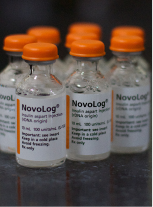
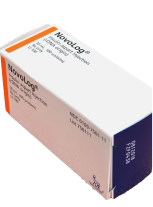
Injected Insulin
Insulin therapy addresses blood sugar control in certain forms of diabetes. Some people produce too little insulin, and their bodies need an external supply. When oral medications fall short, a physician may introduce injected insulin into the treatment plan.
Injection routines vary by patient. When you follow the schedule, your physician tracks your glucose readings to fine-tune the amount. Doctors set your dose, and they teach you the technique for safe use.
Patients often learn several skills during this process:
- Rotating injection sites
- Storing insulin correctly
- Recognizing low blood sugar
Adjusting to insulin therapy may be necessary, and proper education and consistent adherence to your plan may improve blood sugar control. While it might require changes, with the support of your healthcare team and a clear understanding of your routine, managing insulin injections can become a part of your daily life.
Adjusted Lifestyle
Lifestyle adjustments accompany medical treatment for chronic disease. Doctors review your daily habits, and they identify areas that affect your condition. When small changes add up, your physician may add them into your broader plan.
Diet plays a large role in many conditions. Since nutrition influences blood sugar and blood pressure, your doctor gives specific guidance on meals. You adjust portions and food choices, and you track how your body responds.
Physical activity forms another piece of the plan. For some people, movement supports circulation and weight control. Your physician may suggest a routine, and they scale it to your current fitness and any limitations you have. Since chronic care spans months or years, a convenient clinic helps you keep regular appointments.
Find an Internal Medicine Clinic
Internal medicine clinics manage chronic conditions through coordinated care. When you need ongoing support, an internal medicine doctor tracks your progress across each visit. Choosing a clinic involves a few practical steps; you review credentials and services, and you check the location and hours. Schedule a consultation with a local internal medicine clinic to discuss your health needs today.
- Mental Health Counseling in Omaha, Nebraska: Personalized Support From Plains Therapy Group
- Is Almawadahit.com Safe and Reliable to Use?
- How to Find Information on Magfusehub.com
- Overcoming Common Obstacles to Fitness With a Personal Trainer’s Guidance
- Fentanyl Safety and Recovery Support in San Diego, California