
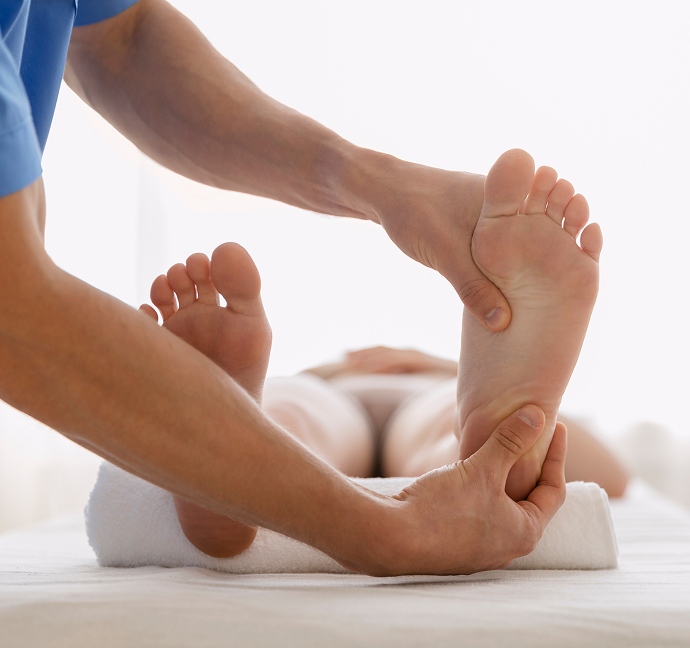
A foot and ankle medical center provides specialized care for conditions affecting mobility, comfort, and overall foot health. Services may include diagnostic evaluations, injury treatment, and surgical procedures. Here are some common services offered by foot centers:
Providing Preventive Foot Care
Preventive care aims to stop small problems before they turn into larger ones. When you visit a foot and ankle medical center for a routine exam, a provider checks your skin, nails, joints, and circulation. This helps them identify early warning signs you may have missed. This step is key for people with diabetes or reduced blood flow because regular monitoring supports long-term foot health. Providers also give practical guidance during these visits. They show you how to trim nails safely, recommend supportive footwear, and explain daily habits that reduce strain.
Treating Common Conditions
Foot and ankle centers handle a wide range of everyday problems that cause discomfort or limit movement. A provider first examines the area, then reviews your symptoms, and finally suggests a treatment plan suited to your needs. Many conditions respond well to non-surgical care, though some require closer follow-up. Here are some common issues these centers address:
- Ingrown toenails: The nail edge grows into the skin, and providers can relieve pressure or remove the affected portion.
- Plantar fasciitis: This heel pain stems from strained tissue along the arch, and treatment often includes stretching, orthotics, or supportive footwear.
- Bunions: This bony bump forms at the base of the big toe, and centers offer padding, footwear advice, or surgical options.
- Fungal infections: Nails or skin may thicken and discolor, and providers apply targeted treatments to manage the spread.
- Corns and calluses: Thickened skin builds from friction, and specialists safely trim these areas while addressing the cause.
Managing Injuries and Wounds
Injuries can happen during sports, work, or ordinary activity, and a foot and ankle center treats both sudden and long-term damage. A provider evaluates sprains, fractures, and torn ligaments, then orders imaging when needed. Wound management is another core service, especially for people with diabetes or circulation problems. Providers clean the area, apply specialized dressings, and monitor healing over several visits. They also teach you how to protect the wound at home and watch closely for signs of infection.
Offering Advanced Treatments
When basic care does not resolve a problem, centers offer advanced treatments tailored to each patient. A provider explains the options, weighs the benefits, and helps you contemplate the best approach. These services often combine technology with hands-on expertise, and they cover both surgical and non-surgical needs.
Surgical Procedures
Some conditions require surgery, and foot and ankle surgeons perform these procedures. They correct bunions, repair torn tendons, or realign fractured bones, and they plan each step around your recovery. Before surgery, the team reviews your history, and they explain what to expect during healing.
Custom Orthotics and Bracing
Custom orthotics are shoe inserts designed to match the shape of your feet. Providers take measurements or scans, then create supports that ease pressure and improve alignment. Bracing offers extra stability for weak or injured ankles, and it can aid movement during recovery. These tools are helpful for athletes, seniors, and anyone managing chronic strain.
Visit a Foot and Ankle Medical Center
Maintaining healthy feet and ankles is fundamental for overall mobility and well-being. A foot center brings together preventive care, treatment for common conditions, injury and wound management, and advanced options. These services support people of all ages, and they address concerns that range from mild to complex. Contact a reputable foot center in your area to schedule your appointment today.
- Mental Health Counseling in Omaha, Nebraska: Personalized Support From Plains Therapy Group
- Is Almawadahit.com Safe and Reliable to Use?
- How to Find Information on Magfusehub.com
- Overcoming Common Obstacles to Fitness With a Personal Trainer’s Guidance
- Fentanyl Safety and Recovery Support in San Diego, California