
Skin cancer is the most common form of cancer. It develops when skin cells grow in an abnormal, uncontrolled way. The skin is the body’s largest organ and remains exposed to the environment daily, so it faces frequent contact with factors that may affect cell health over time. Skin cancer is often visible on the surface of the body, which means changes can sometimes be noticed early.
What Is Skin Cancer?
Skin cancer refers to the abnormal growth of cells within the layers of the skin. Basal cell carcinoma is the most frequently diagnosed type. It tends to develop in areas that receive regular sun exposure, such as the face and neck. Squamous cell carcinoma is another common form, often appearing as rough or scaly patches. Melanoma is less common than the other two; it is known for its ability to spread more readily if it is not addressed. Melanoma often develops in or near moles and may show changes in color, shape, or size.
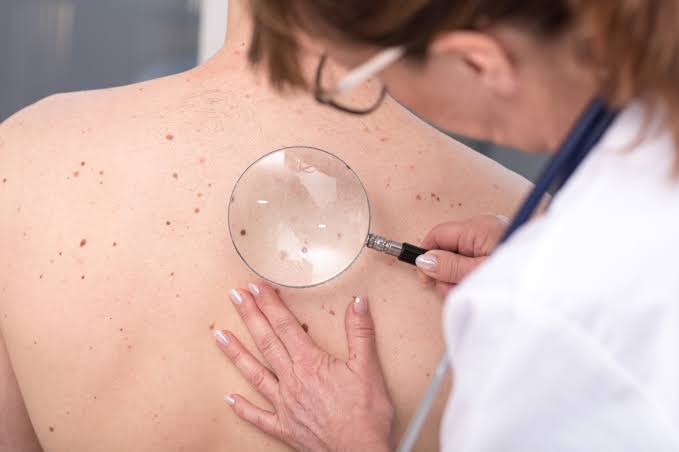
Recognizing the differences between these types can help you understand why a dermatologist recommends a specific course of action. It is useful to monitor your skin for new growths, or you may notice existing spots that have changed over time. A simple guideline is the ABCDE method for moles: asymmetry, border irregularity, color variation, diameter, and evolving appearance. Noticing any of these features may be a reason to seek professional evaluation.
What Causes It?
Several factors contribute to the development of skin cancer, and understanding them can help you make informed choices about your skin health. Exposure to ultraviolet (UV) radiation is one of the most widely recognized contributors. UV rays come from the sun as well as from artificial sources such as tanning beds. Over years of exposure, this radiation can affect the DNA within skin cells and lead to abnormal growth.
Skin type also plays a role, and individuals with fair skin or a tendency to burn rather than tan may be more susceptible. A personal or family history of skin cancer can raise the likelihood as well. Other elements vary, including the presence of many moles and a history of frequent sunburns.
Age and geography may influence risk too. Risk often increases as people grow older, and those living in sunny climates can encounter stronger UV levels throughout the year. While these factors do not guarantee that skin cancer will occur, awareness of them may support preventive habits.
How Is It Treated?
Treatment for skin cancer depends on the type, size, location, and stage of the growth, and a dermatologist evaluates these details before recommending an approach. Surgical removal is a frequent option. A physician removes the affected tissue along with a small margin of surrounding skin. A specialized technique known as Mohs surgery removes tissue in thin layers, allowing careful examination during the procedure. Cryotherapy may be used for certain surface growths.
For growths that are more advanced or that have spread, physicians can discuss radiation therapy, which uses targeted energy to affect abnormal cells. Other systemic approaches may be part of a broader plan in specific situations. Each method carries its own unique factors, and a dermatologist can explain which options align with an individual’s condition.
Meet With a Dermatologist
Regular skin checks and professional evaluations form a practical part of long-term skin health. Building a habit of routine self-examination supports early detection, and it may be combined with periodic visits to a skin specialist. If you observe a new spot or a change in an existing one, meeting with a dermatologist is a sound way to take informed action toward protecting your skin.