
Table of Contents
- What Are Dental Implants?
- Benefits of Dental Implants
- The Dental Implant Procedure
- Advancements in Dental Implant Technology
- Candidacy for Dental Implants
- Caring for Your Dental Implants
- Cost Considerations
- Conclusion
Dental implants have rapidly become a standard of care for addressing tooth loss, providing patients with a durable, stable, and aesthetically pleasing way to restore their smiles. By mimicking the function of natural tooth roots, dental implants help patients regain confidence in both their appearance and oral health. For patients seeking expert solutions, dental implants in Newton, MA, provide advanced care in a supportive setting.
This comprehensive guide explores the key benefits, advancements, procedural steps, and considerations surrounding dental implants, enabling you to make an informed decision about this life-changing treatment. Whether you’re missing a single tooth, several teeth, or are considering full restoration, dental implants present a modern approach to a timeless problem.
What Are Dental Implants?
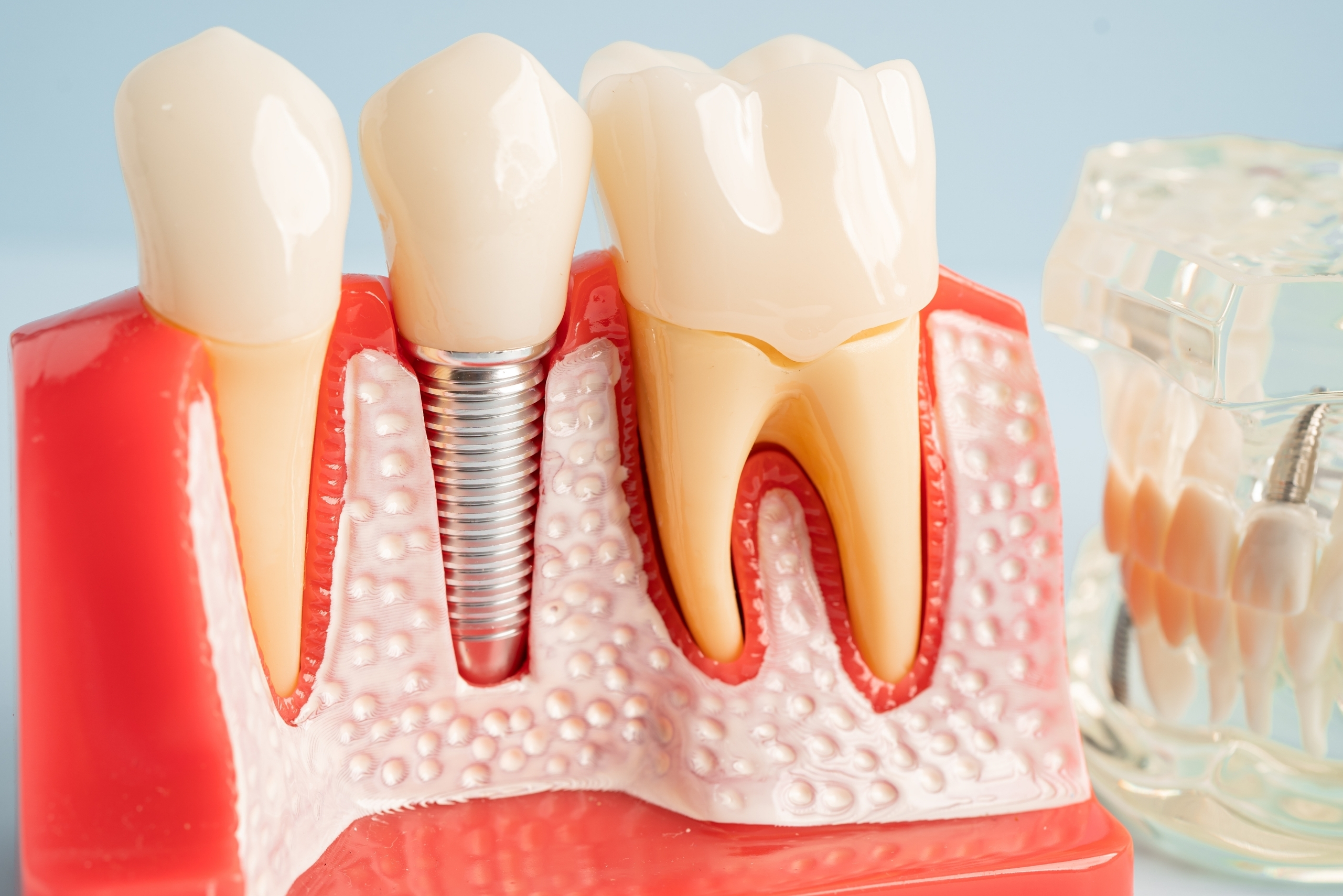
Dental implants are small, screw-like posts made from biocompatible materials, typically titanium, that are surgically positioned into the jawbone where teeth are missing. The implant acts as an artificial root, securely holding replacement teeth such as crowns, bridges, or dentures in place. This system offers unparalleled stability by integrating with the patient’s natural bone through a process known as osseointegration, allowing the dental prosthetic to function much like a natural tooth.
Modern dental implants are meticulously designed to replicate the look and function of real teeth, ensuring comfort, strength, and a natural feel.
Benefits of Dental Implants
- Durability and Longevity: Dental implants, when properly cared for, can last a lifetime, making them a wise long-term investment.
- Improved Oral Health: Unlike dental bridges, implants do not require the reduction of adjacent healthy teeth, preserving your overall oral health.
- Enhanced Comfort and Functionality:Because implants fuse directly with the jawbone, they provide unmatched comfort, allowing for natural speech and chewing functions.
- Bone Preservation: By replacing missing tooth roots, implants stimulate the jawbone and help prevent the bone deterioration that can occur with tooth loss.

The Dental Implant Procedure
The dental implant process is carried out in multiple phases and typically spans several months to ensure success and proper healing:
- Initial Consultation: Your dentist evaluates your mouth, takes 3D images, and determines if you have enough bone to support an implant. A tailored treatment plan is discussed.
- Surgical Placement: The implant is placed in the jawbone. This minor procedure is usually done under local anesthesia.
- Healing and Osseointegration: Over the next several months, the jawbone grows around the implant in a process called osseointegration, creating a rock-solid foundation for your new tooth.
- Abutment Placement: Once healed, a small connector (abutment) is attached to the implant post to hold your new tooth.
- Prosthetic Attachment: A custom-made crown or bridge is affixed to the abutment, completing your smile.
Advancements in Dental Implant Technology
Dental implant technology has advanced rapidly, resulting in increased success rates and enhanced patient satisfaction. Some notable breakthroughs include:
- All-on-4 Technique: This procedure allows a full arch of teeth to be anchored by only four carefully placed implants. It reduces surgery time and overall treatment cost while providing exceptional stability.
- 3D Imaging and Digital Planning:Digital scans and 3D images enable highly precise mapping of nerves, bone, and sinuses, improving the accuracy and safety of the procedure.
- Research on Smart Implants:Emerging technologies are exploring “smart” implants that incorporate sensors and bioactive materials to track health data and possibly accelerate healing phases.
Candidacy for Dental Implants
Many adults are suitable candidates for dental implants, but ideal candidates are typically those who are.
- Are in good general and oral health
- Have sufficient bone volume in the jaw to support an implant
- Are free of gum disease or actively managing periodontal health. If you’ve suffered bone loss, procedures such as bone grafting can often restore your eligibility for implants, making this solution accessible to more patients than ever.
Caring for Your Dental Implants
Maximizing the longevity of your dental implants requires the same diligent care as natural teeth:
- Brush twice daily with a soft-bristle toothbrush and non-abrasive toothpaste
- Floss every day to prevent plaque buildup around the abutments
- Attend professional dental cleanings and checkups as recommended
- Steer clear of hard, sticky, or excessively tough foods that can compromise your prosthetic teeth
Cost Considerations
The initial cost for dental implants varies widely depending on the number of implants, preparatory procedures required, and geographic location. While the upfront expense is generally higher than that of other tooth replacement options, the unmatched durability and health benefits of dental implants make them very cost-effective over a lifetime. Many patients also experience an improved quality of life and increased self-esteem after implant treatment, which can be invaluable.
Conclusion
Dental implants are a leading-edge solution for individuals suffering from tooth loss, delivering the look, feel, and function of natural teeth, with continuous improvements in dental technology and flexible options to suit a range of needs. More people than ever are investing in long-term smile restoration. Consult with an experienced implant provider to determine if dental implants are the right choice for you and to learn how current innovations can help you achieve optimal results.
- Managing Vaginal Irritation and Tissue Sensitivity: Causes and Solutions
- Benefits of Regular Chiropractic Care for Improved Health and Mobility
- Understanding How Botox Works
- Understanding the Steps of Reconstructive Breast Surgery
- Understanding the Impact of Cognitive Behavioral Therapy on Mental Health