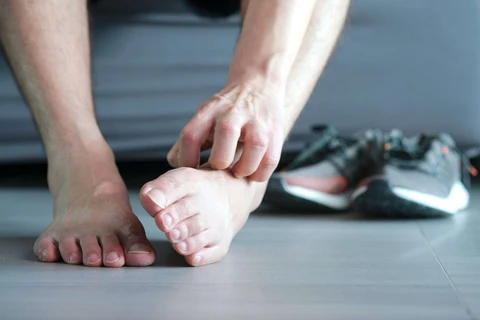
Athletes may experience a wide range of musculoskeletal injuries during training, competition, and recreational activities. An orthopedic specialist evaluates these injuries and recommends treatment based on the diagnosis, symptoms, and healthcare needs. Learning about different orthopedic treatment options can help athletes better understand their path to recovery. Here is more information about the different types of orthopedic treatments for athletes:
Beginning Physical Therapy
Physical therapy may be recommended as part of an orthopedic treatment plan for athletic injuries. Rehabilitation programs are designed to improve movement, strength, flexibility, and function based on the athlete’s condition. Treatment plans are able to progress through different phases as recovery continues. An orthopedic specialist and physical therapist help develop a rehabilitation program based on the diagnosis, treatment goals, and healthcare needs.
Using Orthobiologic Treatments
Orthobiologic treatments may be recommended for certain orthopedic conditions and sports injuries. A healthcare provider evaluates your diagnosis and discusses whether these treatments are appropriate for your healthcare needs. Available options are able to include platelet-rich plasma (PRP) therapy and other regenerative medicine services.
Some orthopedic treatment plans sometimes also include stem cell therapy or bone marrow aspirate concentrate (BMAC) when appropriate. Recommendations depend on the type of injury and the provider’s evaluation. Orthobiologic treatments may be used on their own or as part of a broader treatment plan. Your provider discusses available options and follow-up care based on your diagnosis.
Performing Arthroscopic Surgery
Arthroscopic surgery may be recommended for certain orthopedic injuries when appropriate. An orthopedic specialist evaluates your condition and determines whether this minimally invasive procedure is suitable for your healthcare needs. Arthroscopic surgery is sometimes used to treat:
- Meniscus Tears: Injuries affecting the knee cartilage.
- ACL Tears: Damage to the anterior cruciate ligament.
- Articular Cartilage Injuries: Conditions involving joint cartilage.
- Loose Bone or Cartilage Fragments: Joint conditions requiring surgical treatment.
- Inflamed Joint Lining: Inflammation affecting the joint.
Your treatment plan may also include rehabilitation and follow-up care after surgery based on your recovery needs.
Reconstructing the ACL
ACL reconstruction may be recommended for certain athletes with anterior cruciate ligament injuries. An orthopedic specialist evaluates the knee and discusses whether surgery is appropriate based on the diagnosis and examination findings. The procedure uses a graft to reconstruct the injured ligament when indicated.
Recovery after ACL reconstruction includes rehabilitation and scheduled follow-up care. Rehabilitation programs are designed according to the athlete’s recovery progress and treatment plan. Return-to-sport recommendations vary based on healing, strength, and functional testing. Your orthopedic specialist and rehabilitation team monitor your progress throughout recovery.
Treating Bone Fractures
Athletes sometimes develop stress fractures or sustain acute fractures during sports and physical activities. An orthopedic specialist evaluates the injury through a physical examination and imaging when appropriate. The provider may recommend activity modification, bracing, or surgery based on the type and severity of the fracture. The orthopedic team develops a rehabilitation and follow-up plan according to the athlete’s diagnosis, recovery progress, and healthcare needs.
Repairing the Rotator Cuff
Rotator cuff injuries may affect athletes who perform repetitive overhead movements. An orthopedic specialist evaluates the shoulder and recommends treatment based on the diagnosis and healthcare needs. Rehabilitation after treatment often includes:
- Early Recovery: Immobilization and passive range-of-motion exercises.
- Progressive Motion: Active-assisted and active movement exercises.
- Strength Training: Exercises that improve shoulder strength and function.
- Return-to-Sport Training: Sport-specific conditioning and functional assessment.
Treatment recommendations and recovery timelines vary according to the injury and the athlete’s progress.
Schedule Your Orthopedic Consultation Today
Orthopedic treatment options are available for many sports-related injuries and musculoskeletal conditions. An orthopedic specialist evaluates your injury and recommends care based on your diagnosis, activity level, and healthcare needs. Your treatment plan are able to include rehabilitation, regenerative medicine, or surgery when appropriate. Schedule an appointment today to discuss your orthopedic treatment options with an experienced specialist.