

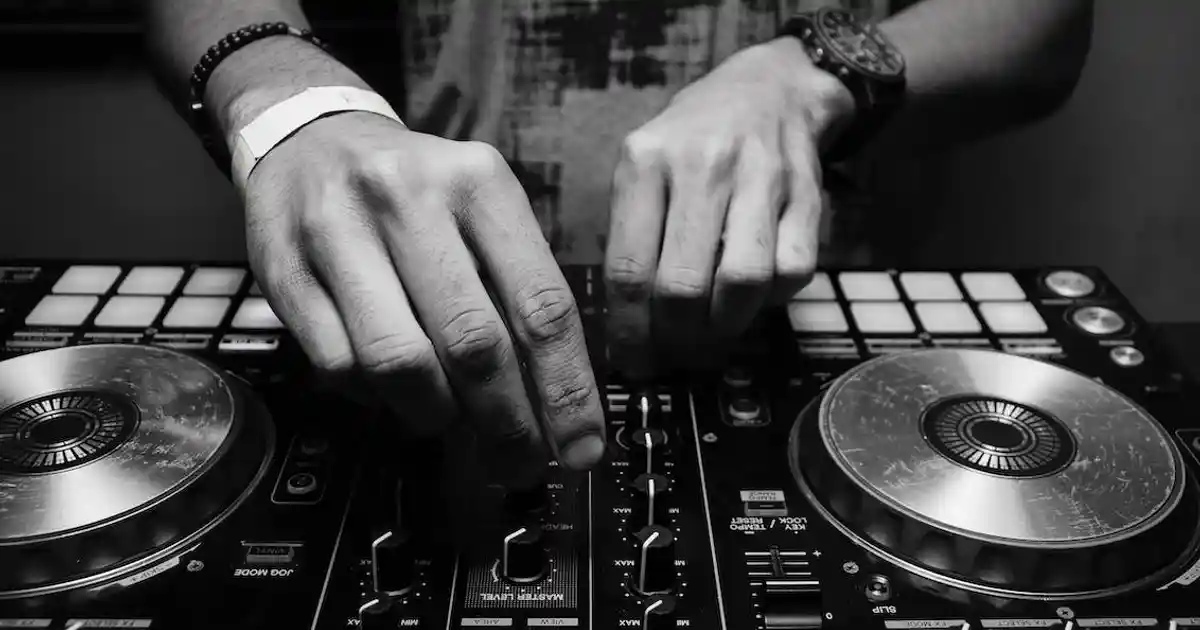
A smooth DJ mix is not only about having good equipment or knowing how to use a mixer. The songs you choose play an equally important role. Even a technically perfect transition can feel awkward if the two tracks have completely different tempos, keys, energy levels, or musical structures.
Good DJs learn to listen for connections between songs before they ever start the transition. They consider BPM, musical key, arrangement, vocals, rhythm, and the energy of the room. The goal is not necessarily to find two songs that sound identical, but to find tracks that can move naturally from one to another.
For DJs who want an easier way to explore music information and discover useful track details, TuneBat can be part of the preparation process. Having information about a song’s musical characteristics can help narrow down potential tracks before you begin experimenting with them in your DJ software.
Start With the BPM
BPM, or beats per minute, is one of the first things DJs should consider when selecting a song for a mix. It describes the tempo of a track and gives you an idea of how quickly the music moves.
Songs with similar BPMs are generally easier to blend because you do not have to make a large tempo adjustment. For example, moving from a 124 BPM house track to a 125 BPM track is relatively straightforward. Moving from 100 BPM to 140 BPM requires a much more creative approach.
This does not mean every transition needs to involve nearly identical tempos. Experienced DJs can use gradual tempo changes, breakdowns, loops, effects, and other techniques to move between different BPM ranges. However, when learning how to build smooth mixes, starting with tracks that have reasonably close tempos makes the process easier.
Pay Attention to Musical Key
Tempo is only one part of song compatibility. Musical key can also have a major effect on how two tracks sound when they are played together.
Imagine a transition where the beats line up perfectly, but the bassline, chords, and melodies of the two songs clash. The mix may still sound uncomfortable even though the BPM is correct.
This is where harmonic mixing becomes useful. DJs can compare the keys of two tracks and look for relationships that allow their melodic elements to work together. Many DJ applications provide key information and tools that make this process easier.
However, key compatibility should be treated as a helpful guide rather than an absolute rule. A DJ can intentionally move between contrasting keys to create tension, surprise, or a noticeable change in mood.
Listen to the Energy Level
Two tracks can have nearly identical BPMs and still feel completely different.
For example, one 125 BPM track might have a relaxed groove with soft percussion, while another at the same tempo could feature aggressive drums, heavy bass, and a much more intense arrangement.
This is why energy should be considered alongside BPM.
Before choosing the next song, ask:
- Is the current track building energy or releasing it?
- Does the next song maintain the same intensity?
- Is the dance floor ready for a change?
- Does the incoming track make the set feel too busy?
- Would a lower-energy song create useful breathing room?
A strong DJ set usually feels like a journey rather than a collection of unrelated tracks. The next song should make sense in the context of what has already been played.
Look at the Song Structure
Song structure is another important part of track selection. Many songs contain recognizable sections such as intros, verses, choruses, breakdowns, drops, and outros.
For DJing, sections with fewer competing elements can provide excellent opportunities for transitions. An instrumental intro, extended drum section, or outro can give you space to introduce another track without putting too many vocals or melodies on top of each other.
Phrase mixing is particularly useful here. Instead of starting a new song at a random point, you can introduce it at a musical phrase boundary so the arrangement changes at a point that feels natural.
Berklee’s DJ curriculum also emphasizes skills such as song structure, phrase mixing, beatmatching, and track selection, showing how these elements work together rather than existing as completely separate DJ techniques.
Watch Out for Vocal Clashes
Vocals can make a transition exciting, but they can also make it messy.
If two vocal-heavy sections play over each other, listeners may struggle to understand either one. This is especially noticeable when both singers are delivering lyrics at the same time.
When selecting your next track, listen for places where one song becomes more instrumental. These sections can create room for the incoming vocal.
You can also use techniques such as EQ adjustments, loops, filters, or shorter transitions to avoid overlapping important vocal phrases.
A simple rule is to avoid asking two dominant vocal performances to compete for attention unless the overlap is intentional.
Consider the Drum Patterns
The rhythm of a track can tell you a lot about whether it will work in a mix.
Two songs with similar BPMs may still have very different rhythmic feels. One might use a straightforward four-on-the-floor kick pattern, while another may have syncopated percussion or a broken beat.
When listening to potential combinations, focus on the kick, snare, hi-hats, bassline, and percussion. Ask yourself whether these elements complement each other or become crowded when combined.
For beginners, songs with clear and consistent drum patterns are often easier to work with. As your skills improve, experimenting with contrasting rhythms can create more interesting transitions.
Think About Genre, But Don’t Be Afraid to Experiment
Genre is a useful starting point when searching for compatible songs.
Tracks within the same genre often share similar production styles, tempos, rhythms, and arrangements. That can make transitions more predictable and easier to execute.
But staying inside one genre is not a requirement. DJs regularly move between genres by using creative transitions.
The important part is understanding why the transition works. A hip-hop track might connect to a house song through a compatible vocal phrase. An electronic track might transition into a pop record through a breakdown. A slower song might lead into a faster one after a carefully chosen pause.
Instead of asking whether two genres can technically be mixed, ask what musical connection can make the transition believable.
Build Small Groups of Compatible Songs
Rather than creating one huge playlist and trying to mix everything randomly, organize your music into smaller groups.
You could create folders or playlists based on:
- BPM range
- Musical key
- Genre
- Energy level
- Mood
- Vocal or instrumental tracks
- Opening, middle, or closing songs
This approach makes it much faster to find your next track during a live performance.
You can also create mini-sequences of three to five songs that you already know work together. These sequences become useful building blocks for longer sets while still leaving room for improvisation.
Test the Transition Before Using It Live
A track combination can look perfect on paper and still sound wrong when you actually mix it.
After selecting two songs, listen to them together. Start with the BPM and beat alignment, then pay attention to the musical key, basslines, vocals, and overall energy.
Try the transition at different points in both songs. Sometimes the best combination is not obvious from the beginning of either track.
Recording your practice sessions can also help. When you listen back later, you may notice problems that were difficult to hear while concentrating on the controls.
Let Your Ears Make the Final Decision
Technical information is useful, but it should not replace listening.
BPM, key, genre, and song structure can help you narrow down your choices. They cannot completely predict how two recordings will feel together.
A song that looks perfect according to its technical information may not work for a particular moment in your set. Another track that seems less obvious may create an unexpectedly strong transition.
This is why experienced DJs develop their musical instincts. The more tracks you listen to and mix, the easier it becomes to recognize useful combinations.
Create a Set With Direction
The best song choices usually support the overall direction of the DJ set.
Think about where you are starting, where you want the energy to go, and what kind of ending you want. An opening track may need space and a comfortable groove. The middle of the set might gradually increase intensity. Later tracks can provide the biggest moments or help bring the energy back down.
Instead of choosing every song independently, think about the relationship between consecutive tracks.
A smooth mix is ultimately about creating continuity. The audience should feel that the music is moving forward rather than constantly restarting.
Conclusion
Finding the right songs for a smooth DJ mix requires more than matching BPM. DJs should consider tempo, key, energy, structure, vocals, rhythm, genre, and the overall direction of the set.
Use technical information to narrow your options, but always listen to the tracks together before deciding on a transition. With regular practice, you will become better at recognizing which songs naturally complement one another and when a more unexpected combination could work.
The goal is not to make every transition follow the same formula. It is to develop enough knowledge and listening skill to make deliberate choices that keep the music flowing.