
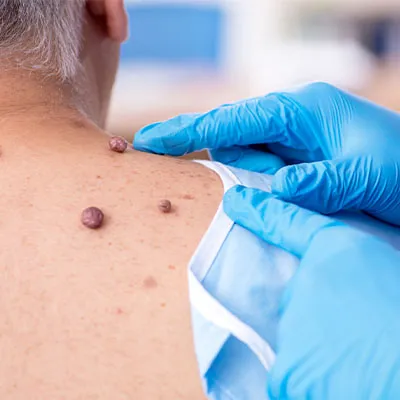
A sebaceous cyst is a noncancerous, closed sac found under the skin, which forms when a sebaceous gland becomes blocked. These glands normally produce an oily substance called sebum to lubricate your hair and skin. When the gland’s opening is blocked, sebum accumulates inside, forming a lump. Here is more information about how to identify and manage cysts:
How To Identify Sebaceous Cysts
Sebaceous cysts typically appear on the face, neck, scalp, or torso. They are small, slow-growing bumps that feel smooth to the touch. Because they are filled with a thick, yellowish, and sometimes foul-smelling substance, they are movable beneath the skin. Though typically painless, sebaceous cysts can become tender, red, and swollen if they become infected or inflamed.
You may notice a small, dark plug in the center of the cyst, which is the blocked opening of the sebaceous gland. Although most cysts are painless, they might become tender if they get inflamed. A diagnosis typically follows a simple physical examination by a healthcare provider.
How To Manage Them
You may find some relief by applying a warm, moist compress to the area multiple times a day. This helps promote drainage and healing, but you must avoid squeezing or trying to pop the cyst. Attempting to drain a cyst on your own introduces bacteria and can lead to unnecessary infection and scarring.
If a cyst becomes inflamed or irritated, a healthcare professional might inject it with a steroid solution. This injection reduces swelling, and it may help the cyst shrink. The procedure is quick and performed in a clinical setting to minimize risks.
Keeping the skin clean is a good practice for general skin health, although it does not prevent cysts from forming. Proper hygiene helps reduce the risk of secondary infections, especially if a cyst happens to rupture. It is a supportive measure, not a cure for the cyst itself.
When Surgery Is Needed
Surgical removal is an option if a cyst causes persistent discomfort, grows large, or becomes repeatedly infected. A doctor might recommend removal for cosmetic reasons, especially when the cyst is in a prominent location. Doctors typically perform the procedure under local anesthesia. Your provider may suggest surgery if you experience:
- Rapid growth
- Signs of infection, such as pain, redness, or pus
- Interference with daily activities
While surgery is typically straightforward, following your healthcare provider’s post-op instructions closely can reduce complications and aid healing. Since untreated cysts can sometimes lead to chronic issues or recurring infections, addressing the problem early with professional guidance is the ideal course of action. If you notice any unusual symptoms or have concerns during your recovery, be sure to contact your healthcare provider promptly for advice and support.
Get Treated for Sebaceous Cysts
Managing a sebaceous cyst properly involves monitoring it and seeking professional care when needed. While home care can provide temporary relief, some cysts require medical intervention to resolve completely. Contact a qualified healthcare provider to discuss your specific situation and explore appropriate treatment options available to you.
- Managing Vaginal Irritation and Tissue Sensitivity: Causes and Solutions
- Benefits of Regular Chiropractic Care for Improved Health and Mobility
- Understanding How Botox Works
- Understanding the Steps of Reconstructive Breast Surgery
- Understanding the Impact of Cognitive Behavioral Therapy on Mental Health