
Skin cancer is a common cancer among Americans. It develops when abnormal skin cells grow, and early detection often improves some treatment outcomes. You can watch for warning signs on your own skin, but a dermatologist confirms any diagnosis. Knowing what to look for helps you act sooner, since prompt action gives you more options.
Evaluation Steps to Know
To make the most of your appointment, come prepared:
- Take photos of any concerning spots before your visit to track changes over time.
- Note when each change first appeared and how it has progressed.
- Write down any symptoms, such as itching, pain, or bleeding, to share with your provider.
- Bring a list of questions so you can absorb the information more easily.
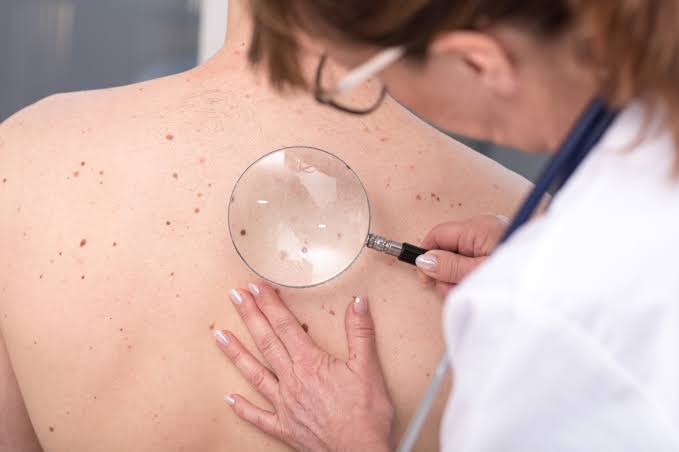
Your notes speed the review, and your history guides the next steps. A dermatologist may use a tool called a dermatoscope to examine a growth more closely. This handheld device magnifies the skin and helps identify patterns not visible to the naked eye. If the exam raises concern, a small tissue sample is taken for lab analysis. Results typically return within a few days, and your provider contacts you to discuss findings. If the biopsy shows skin cancer, your care team explains the type and stage. Different types call for different approaches. An accurate diagnosis shapes your plan. Bring a list of questions to your follow-up visit; there is a lot of information to absorb.
Skin Changes Worth Noting
Skin changes are often the first clue. A new growth may appear and resemble a mole, bump, or scab. Pay attention to the borders of any new spot; uneven or irregular edges can be a warning sign. Rough patches can also form on sun-exposed areas, so check these spots regularly. These patches may be scaly or dry and sometimes bleed when scratched. Sores that do not heal deserve attention, as persistent wounds can signal a deeper problem. If a sore reopens after closing, note the pattern and mention it to your doctor.
If a mole gets bigger or changes color, make a note and tell your doctor. Existing moles and freckles also matter. Watch for moles that appear multicolored or develop an asymmetrical shape, since these are indicators worth reviewing. Some spots are itchy, and others cause pain around the growth. A spot that bleeds without injury also warrants a closer look. Record these symptoms, as tracking them helps your dermatologist assess your risk. Use a mirror or ask someone you trust to check hard-to-see areas, such as your back or scalp, to stay thorough.
Treatment Options Available
Treatment depends on the type and location of the cancer. Your surgeon removes the growth along with a small margin of surrounding skin to reduce the chance of recurrence. The removed tissue goes to a lab, and results confirm whether the margins are clear. Your dermatologist and Mohs surgeon review your case together, and they recommend the approach that fits your diagnosis. Factors such as cancer type, tumor size, and location all influence the treatment plan. Ask your provider about recovery time and follow-up care so you know what to expect. Discuss all options with your team before you decide.
Treat Skin Cancer Today
Skin cancer responds best when caught early. Check your skin regularly, since you can schedule an exam if you notice any warning signs. The dermatologists and Mohs surgeons diagnose and treat all types of skin cancer, and they can help you choose the right path. Contact the dermatology center today, and you can request an appointment and protect your skin.