
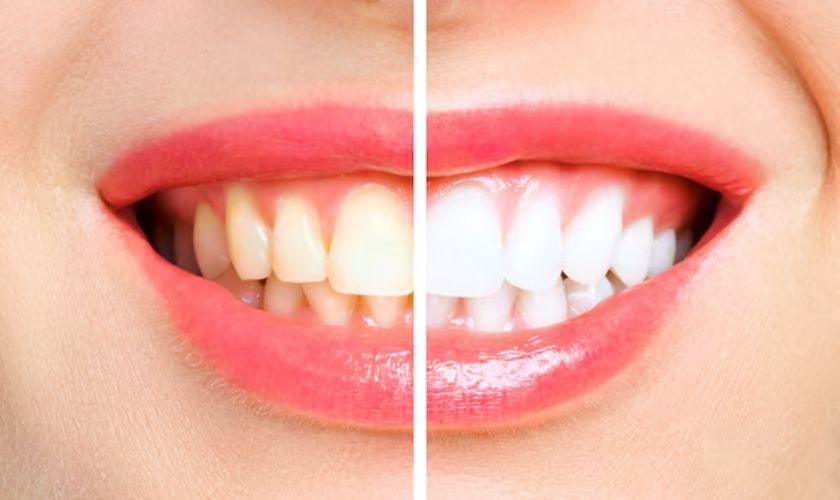
Over time, natural aging, certain foods, and daily habits can leave teeth looking dull or discolored. Teeth whitening is a common cosmetic dental treatment, and it offers a reliable way to restore a lighter, more even shade to the smile. Understanding how the process works and what to expect can help you decide whether it is the right option for your needs.
What Is Teeth Whitening?
Teeth whitening is a cosmetic dental treatment designed to lighten the color of natural teeth and reduce visible stains. It is not used to treat a health condition; the procedure focuses on improving the appearance of the smile. Many whitening methods use products that contain hydrogen peroxide or carbamide peroxide, which work to break down stains on the surface and within the tooth enamel.
Discoloration can develop for many reasons, including coffee, red wine, and tobacco use. The natural aging process also plays a role; enamel thins over time and reveals the yellowish layer beneath it. Whitening treatments aim to address these types of surface and deeper stains.
There are two main categories of whitening: in-office treatments performed by a dental professional and at-home options. Professional treatments generally use stronger, more controlled formulas, and over-the-counter products tend to be milder. Understanding this difference helps set realistic expectations before starting any treatment.
What Does It Involve?
The whitening process depends on the method chosen, but professional treatments follow a fairly consistent path. A dental professional usually begins by examining the teeth and gums to confirm that the person is a suitable candidate. This step helps identify any conditions, such as cavities or gum sensitivity, that may need attention first. In-office whitening typically involves the following steps:
- Protection: A protective barrier is applied to the gums and soft tissues to shield them from the whitening agent.
- Application: The whitening gel is placed on the teeth. Some treatments use a specialized light or laser to help activate the product.
- Removal: After the recommended time, the gel is removed.
An in-office session may show results after a single visit. In some cases, a dental professional can provide custom-fitted trays for use at home. These trays hold a whitening gel against the teeth, and they and are worn for a set period each day.
At-home products, such as whitening strips, toothpaste, and gels, are also available. These options work more gradually, and they are best suited for mild discoloration. Following product instructions carefully helps reduce the risk of gum irritation or uneven results.
What Are the Benefits?
Professional teeth whitening offers several advantages compared with unsupervised methods, but the most notable benefit is a brighter, more uniform smile. In-office treatments often produce visible changes more quickly than at-home products, and having a dental professional monitor the process helps reduce the chance of gum irritation or uneven whitening. Custom trays and tailored formulas can also address a person’s specific needs and level of discoloration, making the experience more precise and effective. With proper care, professional whitening results may last longer than those from many store-bought products.
Seek Professional Cosmetic Dental Care
Teeth whitening is a practical way to refresh the appearance of your smile, and it reduces visible stains caused by food, drinks, and everyday habits. Working with a dental professional allows for a controlled, tailored treatment that suits your goals. If you are ready to explore your options, reach out to a cosmetic dental provider to discuss a whitening plan suited to your needs.