
When gum disease develops from bacterial buildup, periodontal treatments can restore gum health by addressing the underlying infection. Procedures like scaling, root planing, and laser gum treatment stop disease progression, and they protect the structures that hold teeth in place. This reduces the risk of tooth loss. Here is more information on periodontal treatments:
What Are Periodontal Treatments?
Periodontal treatments are clinical procedures that target gum disease, also called periodontal disease, at its source. Bacterial buildup along and beneath the gumline causes gum disease, which triggers inflammation and gradually damages surrounding tissue. These treatments remove that buildup, and they restore a stable environment for teeth and gums. Without intervention, the infection keeps spreading.
What Are the Different Types?
Three procedures commonly treat gum disease: scaling, root planing, and laser gum treatment. Each targets bacterial buildup but differs in how it’s done and applied.
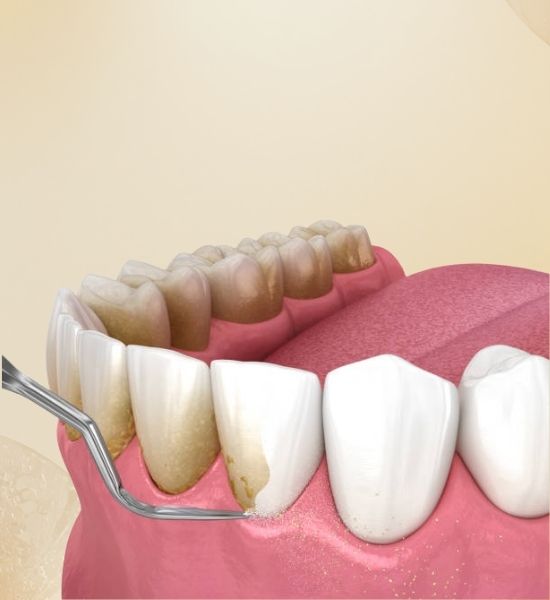
- Scaling involves removing plaque and tartar from the tooth surface and along the gumline using specialized dental instruments.
- Root planing smooths the tooth’s root surfaces, making it harder for bacteria to reattach and supporting gum tissue reattachment.
- Laser gum treatment uses focused light energy to remove infected tissue and bacteria with greater precision.
The appropriate treatment depends on the severity of the gum disease and how far it has progressed. A dentist will assess pocket depth, bone levels, and tissue condition before recommending a course of action.
What Do They Involve?
Dentists may perform scaling and root planing under local anesthesia; scaling involves using specialized instruments to remove hardened deposits above and below the gumline. Root planing follows. This step smooths rough areas on the root surface to discourage bacterial reattachment, which helps reduce the risk of recurring infection. Depending on how many areas of the mouth require treatment, the procedure may be completed across multiple visits.
Laser gum treatment follows a different process, as a dental laser targets infected tissue and bacteria without cutting or suturing. Recovery time may be shorter. Because the laser targets only the affected tissue, patients may experience less discomfort during and after the procedure.
Both approaches may require follow-up appointments to monitor healing and assess whether gum pocket depths have reduced. Consistent at-home care supports long-term recovery; brushing, flossing, and prescribed rinses are beneficial. Ongoing periodontal maintenance visits may be recommended every few months after active treatment, which facilitates continued progress.
How Is Tooth Loss Prevented?
Gum disease sometimes leads to tooth loss. Bacterial infection causes inflammation that progressively destroys the gum tissue and bone supporting each tooth; periodontal treatments interrupt this process by eliminating the bacterial source. Once the infection is controlled, the structures holding teeth in place are no longer under sustained attack.
Treating gum disease early reduces the likelihood of requiring more invasive procedures later. When moderate disease is addressed with scaling and root planing, the condition can be stabilized. As a result, procedures such as tooth extraction become less necessary. The primary goal of periodontal care is preservation, and dentists seek to maintain the function of natural teeth for as long as possible.
Learn More From a Dentist
Periodontal treatments help protect teeth by targeting the root cause of gum disease. Scaling, root planing, and laser gum treatment each halt disease progression, and they preserve the supporting structures around teeth. With the right treatment and consistent maintenance, you can largely prevent tooth loss from gum disease. If you are looking to prevent tooth loss, speak with a dentist.