
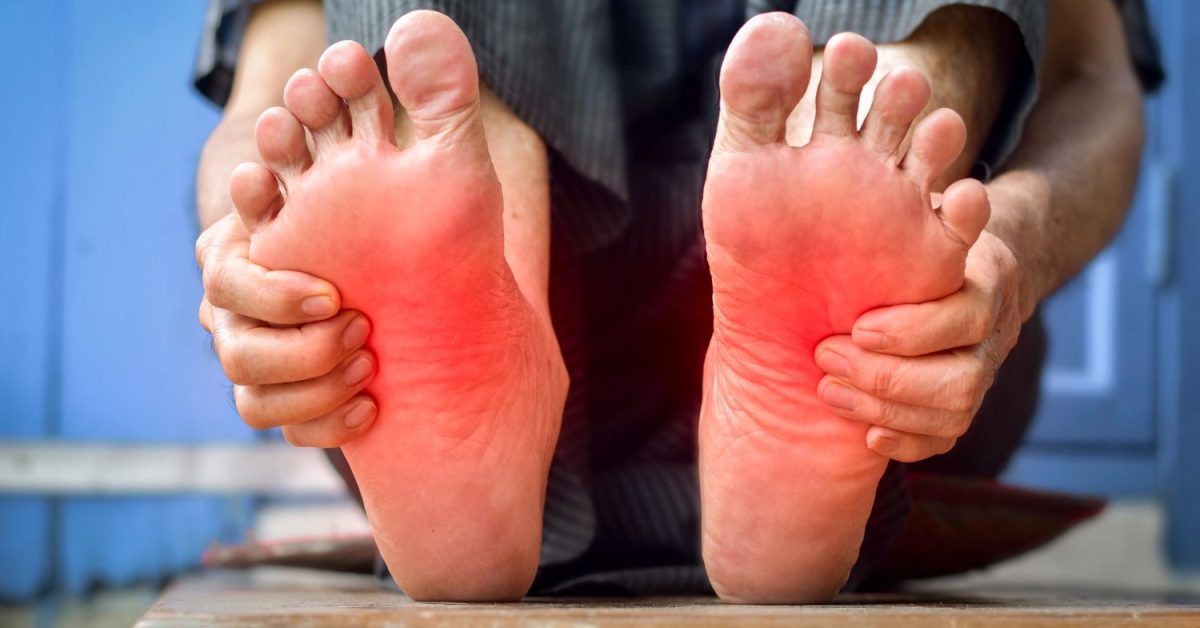
Peripheral neuropathy refers to conditions that damage the peripheral nervous system (PNS). The PNS is a nerve network that transmits information between the central nervous system (the brain and spinal cord) and the rest of the body. When these nerves malfunction, they send incorrect signals, leading to pain, numbness, or weakness, primarily in the hands and feet. Living with neuropathy requires a proactive approach to managing symptoms, at home and with a medical professional. Here are some tips on managing peripheral neuropathy conditions:
Manage Symptoms at Home
Peripheral neuropathy occurs when nerves are damaged or destroyed, disrupting the normal flow of information from the brain to the rest of the body. This PNS disruption may result from various causes, including traumatic injuries, infections, metabolic problems, inherited causes, and exposure to toxins. One of the most common causes of this type of neuropathy is type 2 diabetes because of the impact on blood sugar levels and general circulation.
When managing peripheral neuropathy, you can take practical steps at home to alleviate discomfort and prevent further injury. Because numbness is a common symptom, you may not feel cuts or blisters on your feet, so daily foot inspections are key to preventing infection. Wearing loose-fitting cotton socks and comfortable shoes may also reduce irritation.
To avoid injuries at home, try to keep your floors free of clutter that could cause you to fall or injure your feet. Nightlights may help you avoid corners or objects that could potentially harm you. Warm baths may soothe pain, but always check the water temperature with a part of your body unaffected by neuropathy to avoid burns.
Make Healthier Lifestyle Choices
Adopting specific lifestyle changes impacts the progression of neuropathy and the severity of your symptoms, as focusing on your overall wellness supports your nerve health. By managing the underlying factors contributing to neuropathy, you can improve your symptoms. Here are some key lifestyle choices that may improve your condition:
Smoking
Smoking cigarettes constricts blood vessels and reduces circulation, which deprives the peripheral nerves of necessary nutrients and oxygen. This lack of circulation exacerbates neuropathic pain and accelerates nerve damage. Quitting smoking can improve blood flow, allowing your nerves to repair themselves more effectively and potentially slowing disease progression. Limiting alcohol intake is also advisable, as alcohol usually has a toxic effect on nerve tissue.
Exercise
Regular physical activity is fundamental for managing neuropathy. Exercise can reduce neuropathy pain and improve muscle strength, which helps control blood sugar levels. When increasing your activity levels, start with low-impact activities that do not put excessive stress on your feet or joints. Swimming, stationary cycling, and yoga are excellent options because they improve circulation and flexibility without high impact. Before starting any new exercise regimen, consult your healthcare provider to make sure it is safe and effective for you.
Diet
Nutrition also affects your nerve health. A balanced diet rich in fruits, vegetables, whole grains, and lean proteins provides the key vitamins and minerals your nerves need to function correctly. Vitamin B12 is particularly fundamental for nerve health, and a deficiency may worsen neuropathy symptoms. If you have diabetes, managing your blood sugar through diet is a highly effective way to prevent further nerve damage.
Meet With a Neurologist
While lifestyle changes and home management are helpful, professional medical guidance is imperative for effectively treating neuropathy. A neurologist specializes in disorders of the nervous system. They can provide a comprehensive evaluation to determine the cause of your neuropathy. They commonly prescribe medications that help treat nerve pain, which often does not respond to standard over-the-counter pain relievers. Regularly working with a specialist allows them to monitor your disease progression and adjust your treatment plan as necessary.
Learn More About Peripheral Neuropathy
Understanding the underlying mechanisms of your condition is the first step toward effective management. Living with peripheral neuropathy presents challenges, but you do not have to manage symptoms alone. By making deliberate lifestyle choices and working closely with a specialist, you can improve your comfort and functionality. To learn more about your possible treatment options, contact a neurologist for a consultation today.
- Managing Vaginal Irritation and Tissue Sensitivity: Causes and Solutions
- Benefits of Regular Chiropractic Care for Improved Health and Mobility
- Understanding How Botox Works
- Understanding the Steps of Reconstructive Breast Surgery
- Understanding the Impact of Cognitive Behavioral Therapy on Mental Health