
When vision problems arise or routine care is needed, an ophthalmologist becomes a valuable point of contact. An ophthalmologist is a medical doctor who focuses on the eyes and the visual system. This specialty covers everything from general eye examinations to the diagnosis and management of more complex conditions. People may first meet with an ophthalmologist after noticing a change in their vision, and knowing what to expect from these appointments can help you approach your visit with greater clarity.
What Do They Address?
An ophthalmologist manages a broad range of eye-related concerns. Their scope extends beyond routine vision checks; it includes the evaluation and care of medical conditions affecting the eyes. Common reasons people schedule an appointment vary, including blurry vision, dryness, and difficulty focusing at certain distances.
Ophthalmologists also address more involved conditions. These may include cataracts, glaucoma, macular concerns, and issues related to the retina. Because they hold medical training, ophthalmologists can perform surgical procedures when appropriate. They may also prescribe medications, and they are able to provide ongoing monitoring for chronic eye conditions.
In addition to treating existing concerns, ophthalmologists can work to detect early signs of problems that a patient has not yet noticed. Regular eye examinations may reveal changes that develop gradually, and this allows for timely attention. This preventive role makes the ophthalmologist a useful partner in maintaining long-term eye health for people of all ages.
What Can an Appointment Involve?
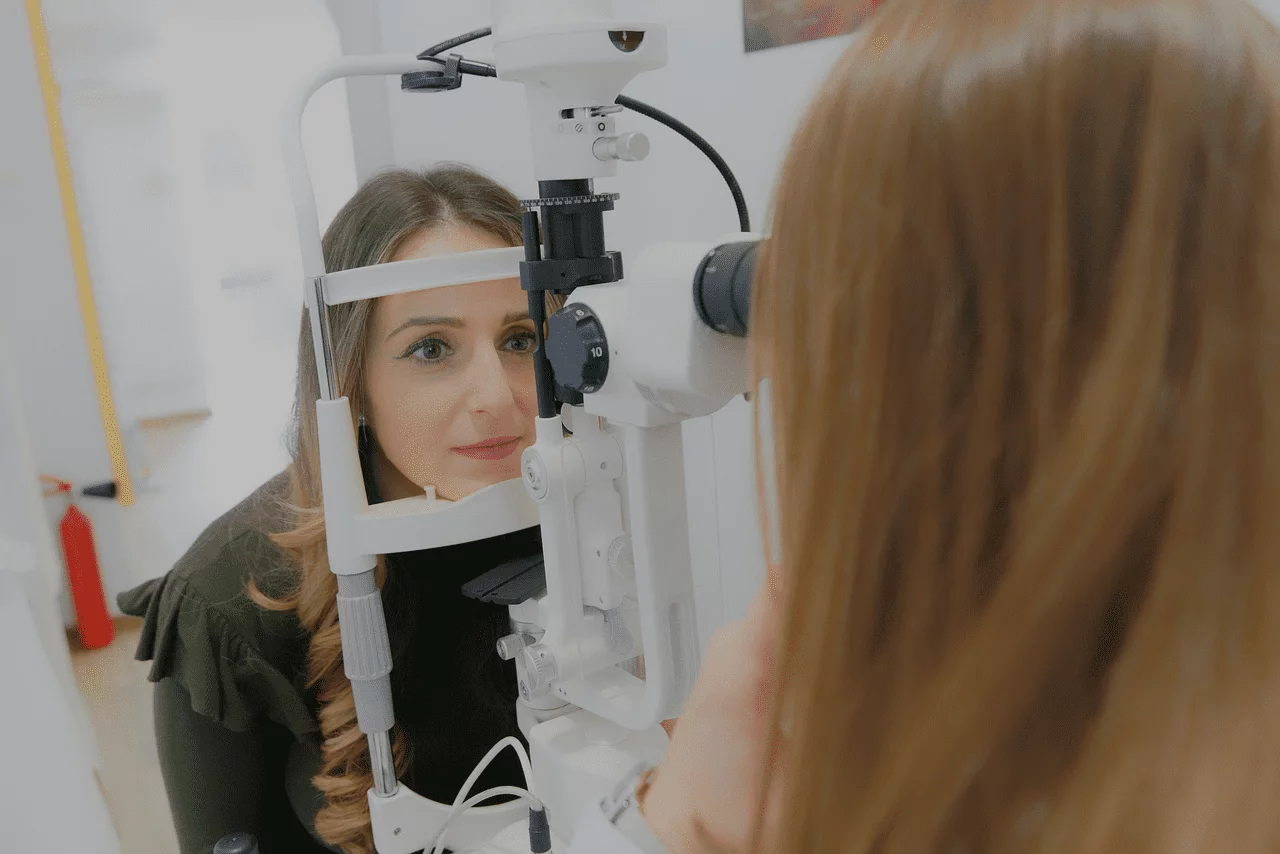
An appointment with an ophthalmologist typically begins with a discussion of your medical history and any symptoms you have experienced. Sharing details about your general health, current medications, and family history of eye conditions helps the doctor build a complete picture of your situation. Following this conversation, the ophthalmologist may conduct a series of tests. A visual acuity test measures how clearly you see at various distances, and it often uses an eye chart. The doctor may also examine the front and back structures of the eye using specialized instruments and bright light.
Some appointments include measuring the pressure inside the eye, which offers insight into certain conditions. The ophthalmologist may apply drops to widen the pupils; this allows for a clearer view of the interior of the eye. These drops can cause temporary blurriness and sensitivity to light for a few hours afterward. Depending on your needs, the appointment might also involve discussions about corrective options such as glasses or contact lenses. If the ophthalmologist identifies a concern that requires further attention, they will explain the findings and outline the recommended next steps in clear terms.
How Do You Prepare?
Preparing for an ophthalmology appointment can make the visit more productive. Start by gathering relevant information about your health. Bring a list of any medications you take, and relay observations about symptoms you have noticed and when they began. If you currently wear glasses or contact lenses, bring them to the appointment. This allows the ophthalmologist to review your existing prescription and assess whether any adjustments are needed. Because some appointments involve dilating drops that temporarily affect vision, arranging transportation in advance can be a practical step.
Meet With Your Ophthalmologist
Maintaining healthy vision is an ongoing process that benefits from regular attention. Scheduling periodic visits with an ophthalmologist supports the early detection of changes, and this helps you stay informed about the condition of your eyes. Even in the absence of noticeable symptoms, routine examinations offer a dependable way to track your eye health over time.