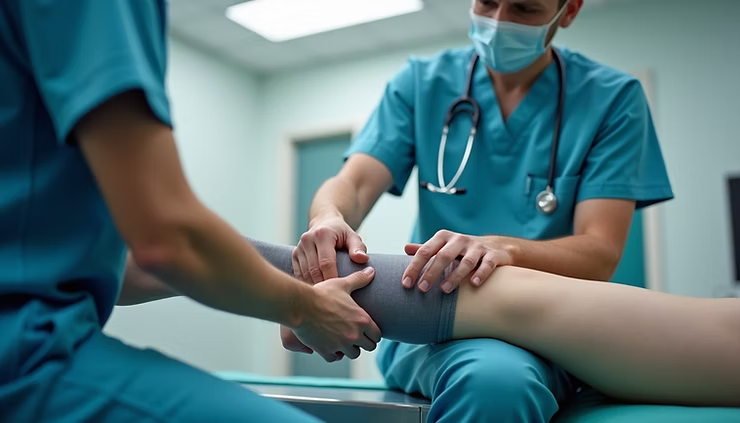
Veins carry blood back toward the heart. When these vessels do not function as they should, a range of conditions can develop. Some of these issues are cosmetic, but others may point to changes in how blood moves through the legs and other parts of the body. Learning about common vein problems and the vein treatments available can help you make informed choices about your health.
What Conditions Affect Veins?
Several conditions may affect the veins, and they vary in appearance and severity. Varicose veins are enlarged, twisted vessels that often appear on the legs. They can bulge above the surface of the skin and be blue or purple in color. These veins form when the small valves inside them weaken, allowing blood to pool rather than flow smoothly upward. Chronic venous insufficiency describes a longer-term condition in which the veins struggle to return blood to the heart efficiently. This can lead to swelling, skin changes, and a feeling of heaviness in the legs.
How Are They Diagnosed?
Identifying a vein condition usually begins with a conversation about your symptoms and medical background, and a medical professional may ask about any changes you have noticed. Duplex ultrasound is a widely used tool for studying veins. This painless imaging method combines sound waves with a view of blood flow. It allows the provider to see the structure of the veins and observe how blood moves through them, helping to detect blockages or other concerns.
Other vascular studies may be used depending on the situation, including imaging tests that measure how well blood circulates. The choice of test depends on the suspected condition and the area being examined. Accurate diagnosis guides the treatment plan, and it helps a care provider match the approach to the specific problem.
What Vein Treatments Are Used?
Vein treatment options range in their approach, from minimally invasive procedures to surgical methods. The right approach depends on the type and severity of the condition. Sclerotherapy involves injecting a solution directly into the affected vein. The solution causes the vein to close, and over time the body redirects blood to healthier vessels. This method is commonly used for varicose veins.
Ablation procedures use heat, generated by radiofrequency energy, to close larger problem veins from the inside. A thin catheter is guided into the vein, and the energy seals it shut. Blood then flows through nearby healthy veins.
Surgical procedures may be recommended for more advanced cases. Certain techniques, such as vein removal, are generally reserved for larger veins that cause ongoing symptoms. Each treatment carries its own set of concerns, and a medical professional can explain which option aligns with your needs.
Seek Professional Vein Treatment
Vein conditions cover a broad spectrum, from minor cosmetic concerns to matters that call for closer medical attention. Recognizing the signs early gives you the chance to explore your options before symptoms progress. A medical professional can evaluate your veins, and they will recommend an approach suited to your situation. Reaching out to a provider is a practical step toward maintaining healthy circulation and addressing any concerns with professional guidance.