
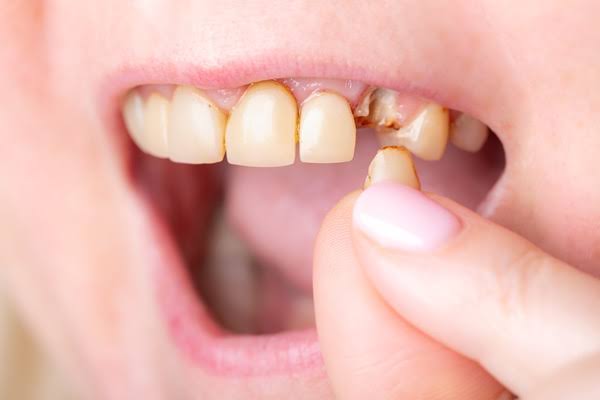
A broken tooth happens fast, and it typically catches you off guard; you might bite into something hard, take a hit during sports, or notice a crack from an old filling. When the damage shows up, you may need to know how urgent the situation really is. A dentist looks at the break, explains your options, and helps you decide the next step. This is why you should see a dentist immediately:
Stopping the Pain
A chipped or broken tooth exposes the inner layers, and those layers are sensitive. Sharp pain typically follows when hot, cold, or sweet foods touch the spot. If you leave the tooth alone, the discomfort tends to grow worse over time. A dentist treats the source so you feel relief sooner.
Home remedies mask the ache for a short while, but they do not fix the break. You might rinse with warm salt water, and you might take an over-the-counter pain reliever. These steps buy you time until your appointment. A dentist finds the real cause and treats it directly.
Preventing Infection
When the outer enamel breaks, bacteria reach the softer tissue inside. An untreated crack becomes a doorway, and germs slip through it easily. Watch for these warning signs of a spreading problem:
- Swelling around the gum or jaw
- Having a bad taste or lingering odor
- Throbbing pain that keeps you awake
A dentist cleans the area, seals the break, and lowers your risk of infection. If the germs reach the pulp, you may need a root canal. Acting early typically keeps the treatment simpler.
Saving the Tooth
A broken tooth does not automatically mean you lose it. Dentists work to keep your natural tooth whenever the structure allows. The sooner you visit, the more choices you tend to have. Waiting too long shrinks those options.
Time matters because a small crack can widen under normal chewing. You might feel fine today, and the tooth might split further tomorrow. A quick exam shows how deep the damage goes. Your dentist then maps out a plan that protects what remains.
Some breaks need only a simple bonding, while others call for more support. If the root stays healthy, the outlook usually improves. A dentist checks the root, the nerve, and the surrounding bone. That full picture guides the repair.
Restoring With Veneers and Crowns
Once the tooth is stable, your dentist talks through restoration methods. Two standard choices are veneers and crowns, and each fits different situations. A veneer covers the front surface, while a crown wraps the whole tooth. Your dentist matches the option to the size of the break.
Here is a quick look at how they differ:
- Veneers: thin shells for minor chips on visible front teeth
- Crowns: full caps for larger breaks that need strength
A veneer blends with your smile, and a crown restores heavy chewing force. If the tooth carries a big load, a crown often makes sense. Your dentist explains the trade-offs in plain terms before you decide.
Address a Broken Tooth Immediately
A broken tooth doesn’t heal on its own, so prompt care makes a difference. Call your dental office today and describe what happened. A dentist examines the break and walks you through each choice. Book your appointment now, and take the first step toward a comfortable smile.
- Mental Health Counseling in Omaha, Nebraska: Personalized Support From Plains Therapy Group
- Is Almawadahit.com Safe and Reliable to Use?
- How to Find Information on Magfusehub.com
- Overcoming Common Obstacles to Fitness With a Personal Trainer’s Guidance
- Fentanyl Safety and Recovery Support in San Diego, California