
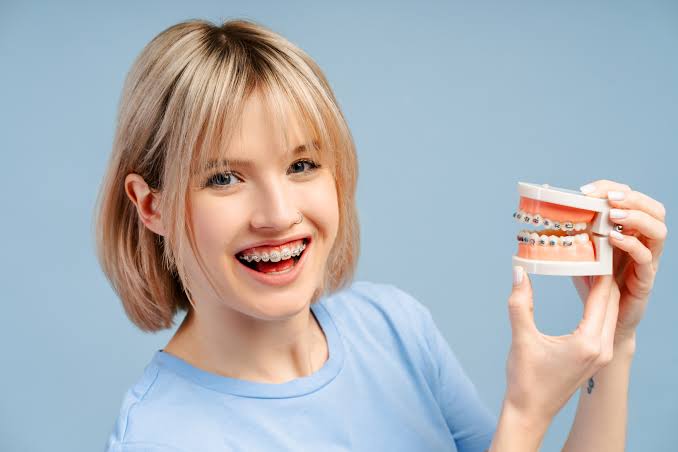
Orthodontics is the branch of dentistry that corrects the position of teeth and jaws, and treatment options have expanded beyond metal braces. Clear aligners, veneers, and implant systems all move teeth using steady, gentle pressure. Here are several specific benefits adults can gain from treatment, along with practical details to help you plan your next step:
Improved Hygiene
Crowded teeth trap food and plaque in spots your brush misses. When teeth sit in straighter positions, cleaning becomes simpler, and floss reaches between them more easily. Treatments in orthodontics aim to reduce the tight overlaps that hide bacteria.
Straighter teeth also change how you maintain daily care. You brush fewer hard-to-reach angles, so your routine takes less effort. Since plaque has fewer hiding places, your gums face less irritation over time.
Enhanced Bite
Your bite describes how your upper and lower teeth meet. When they meet correctly, chewing feels steady, and speaking stays clear. Orthodontists study your bite closely before mapping any treatment plan.
Several bite problems respond well to orthodontic correction:
- Overbite, where the upper teeth cover the lower set too far
- Underbite, where the lower teeth sit ahead of the upper ones
- Crossbite, where teeth close on the wrong side
- Open bite, where the front teeth never touch
A corrected bite changes small daily habits. You chew tougher foods with less discomfort, and your jaw settles into a more natural resting position. Since your teeth align, pressure stays balanced during every meal.
Treatment length varies from person to person. Some cases finish within months, while others need a year or more. Your orthodontist reviews your progress at regular checkpoints and adjusts the plan as your teeth shift.
Reduced Pain
Misaligned teeth typically place uneven pressure on your jaw. That pressure builds gradually, and it sometimes leads to soreness in the jaw muscles. A balanced bite spreads chewing force more evenly across your teeth.
Some adults grind their teeth because of poor alignment. Correcting the position lowers that strain, and many patients report less morning tension as a result. When forces are distributed evenly, individual teeth wear down at a slower pace.
Proper alignment also enhances your ability to clean your teeth effectively, making it easier to maintain good oral hygiene. This may reduce the risk of plaque buildup helps protect against gum disease and cavities. When misalignment is addressed, you improve your smile’s aesthetics, and you also support your long-term dental health by creating a more functional and sustainable bite structure.
Prevented Complications
Untreated misalignment tends to create larger problems later. Crooked teeth wear unevenly, and this weakens enamel over the years. Correcting alignment early lowers the chance of these gradual issues.
Neglected bite problems affect more than your teeth. Watch for these warning signs that alignment deserves attention:
- Frequent jaw clicking or stiffness
- Chipped or flattened tooth surfaces
- Advanced gum recession near crowded teeth
- Difficult time chewing on one side
Regular monitoring keeps small concerns from growing. You catch changes sooner, and your dentist tracks patterns that signal deeper strain. Since these signs appear early, treatment typically stays straightforward.
Find Orthodontics Near You
Each benefit depends on your specific alignment and the treatment plan your orthodontist designs. Straighter teeth support cleaner routines, and a balanced bite eases daily wear. Book a consultation with a local orthodontist to review your options. Ask about clear aligners, timelines, and your provider will walk you through each step in plain language, so you understand the plan before it begins.