

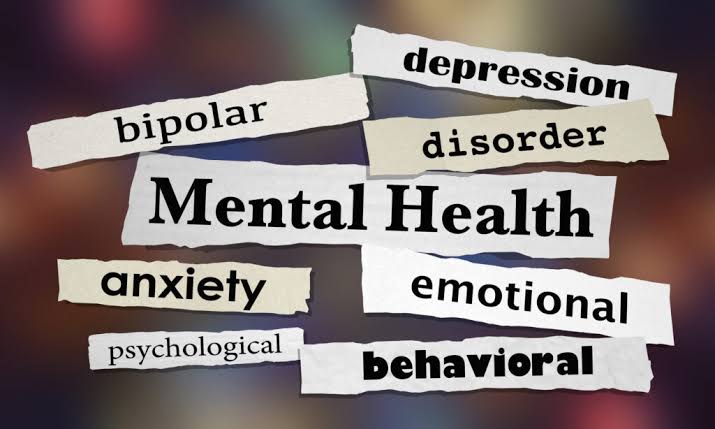
Mental health care helps individuals manage emotional, behavioral, and psychological disorders. These services may also help identify symptoms early, improve daily functioning, and support long-term well-being. Here are several ways mental health services address different disorders:
Assessing Symptoms and Needs
The process begins with an assessment that gathers key details about a person’s history and current symptoms. A mental health services provider asks questions about sleep, mood, focus, and relationships, and reviews past treatment. This conversation gives the provider a clear picture of what a patient experiences day-to-day. During a telehealth visit, the assessment takes place via video, so patients can share their concerns from home. Providers listen carefully and take notes, and they may ask family members to add details when they work with children. Here are several key areas an assessment often covers:
- Emotional patterns: The provider notes changes in mood, worry, or irritability over time.
- Daily functioning: They review how symptoms affect school, work, or home life.
- Physical health: They check sleep, appetite, and energy, which can influence mental well-being.
- Support systems: They ask about family, friends, and others who can offer help.
These details give the provider a foundation and guide the care that follows.
Creating Personalized Care Plans
After the assessment, the provider builds a care plan tailored to the individual. No two people are alike, so a plan for a teenager with attention challenges will differ from a plan for an adult managing stress. The provider sets clear goals, and the patient helps influence them.
A care plan lists the steps a patient will take and the mental health services they will receive. One plan may combine weekly therapy sessions with practical coping strategies, while another focuses on medication paired with lifestyle changes. The provider explains each option, and patients can ask questions before beginning treatment. Telehealth makes it easy to update a plan when needs change. If a child struggles with a new challenge at school, the provider can adjust the goals during the next video visit.
Providing Treatment Support
Therapy is a core component of several mental health services, providing patients with a space to talk through their thoughts and feelings. A therapist teaches skills that help people handle stress, manage emotions, and change unhelpful patterns. Here are some common forms of support providers often recommend:
- Talk therapy: Patients discuss challenges and learn coping tools with a trained therapist.
- Skill-building exercises: Providers assign small tasks that help patients practice new habits.
- Medication management: A prescriber monitors doses and checks how well a treatment works.
- Family involvement: Parents join sessions to support children and reinforce progress at home.
Combining these approaches creates a comprehensive plan that addresses individual needs and fosters effective and sustainable outcomes.
Monitoring Recovery and Progress
Care does not stop once treatment begins. Providers review how a patient responds to therapy or medication, and they note any changes in symptoms. Regular check-ins help the provider recognize what works and what needs adjustment.
Telehealth simplifies monitoring, so patients can report updates during short video visits. A provider may ask a teenager to rate their mood each week, while an adult tracks sleep or stress levels. These updates give the provider clear signals about recovery. When progress stalls, the provider modifies the plan. They may add a new therapy technique, change a medication dose, or set fresh goals.
Explore Mental Health Services Today
Mental health services guide patients through assessment, personalized planning, therapy, medication support, and ongoing monitoring. They play a key role in recovery and well-being by addressing individual needs and fostering growth. Contact a qualified telehealth mental health provider to schedule your consultation and explore available services today.