
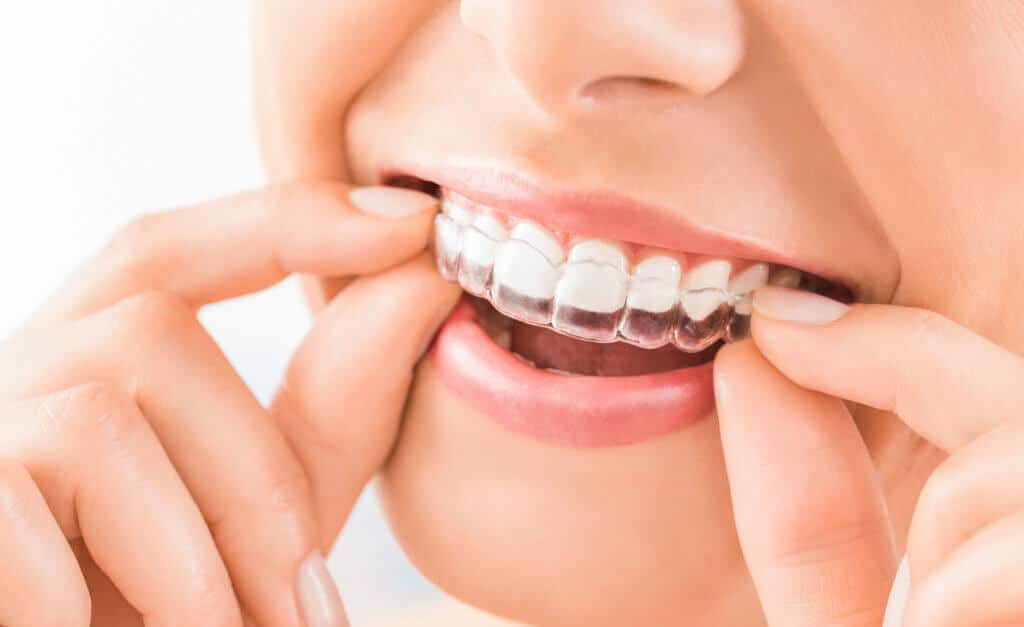
Invisalign uses clear, removable aligners to guide your teeth into position. After treatment ends, your teeth still want to shift back. Retainers hold your results in place, and they protect the investment you made. Many patients wonder how retainers work, why they matter, and how long they last.
Retention Does Matter
After Invisalign, your teeth need time to fully settle into their new positions.
Body Response to Movement
Your teeth sit in bone and soft tissue that adjusts slowly after movement. Without retention, your teeth can drift back toward their original positions, and your progress sometimes fades. Age, genetics, and misalignment severity all affect how quickly teeth shift. Your provider discusses these factors in your retention plan, so you have an understanding of the plan.
Impact on Stability
During this period, full-time retainers wear is often recommended, and your provider will guide you on the exact schedule. Some patients transition to nighttime-only wear, and this reduced schedule becomes a long-term habit. Staying consistent in this phase matters for completing your aligner series, since it supports the customized treatments. They are designed for natural smiles.
Retainers Types Explained
Retainers come in fixed and removable forms, and each option suits different needs. Your provider recommends the option that fits your case, and they discuss your lifestyle when choosing. Some patients use both types together, with a fixed retainer on the lower teeth and a removable one on the upper. Custom night guards and retainers add lasting comfort, and because they match your bite precisely, they are natural during wear. Replacing your retainer when it shows signs of wear keeps your protection consistent. Your provider can check the fit at routine visits. Here is a quick breakdown of the most common retainer types:
- Fixed retainer: A thin wire bonds to the back of your teeth, stays in place at all times, and does not affect your appearance.
- Clear removable retainer: Fits over your teeth like an aligner and is the most common removable option after Invisalign.
- Hawley retainer: Uses a combination of wire and acrylic, and tends to be more durable over time.
Habits for Lasting Results
Consistency determines how well your retainer works. Wear your retainer as your provider schedules, and treat that schedule as non-negotiable. Clean it daily using a soft brush and mild soap, and store it in its case. Avoid leaving it in napkins or open spaces, since damage and loss are common. Soak your retainer in a gentle cleaning solution a few times a week to remove bacteria and keep the plastic clear. Skipping wear allows small shifts, and those shifts can grow if you ignore them. Even a few nights without your retainer allows movement, and that movement is often hard to reverse. If your retainer is tight after missing nights, that tightness signals shifting, so contact your provider. Regular checkups let your provider monitor your fit. If your retainer wears down, they replace it before problems appear.
Book an Appointment Today
Retainers are the final stage of your Invisalign journey, and they keep your teeth in place. You now understand why retention matters, which retainer types exist, and how daily habits protect your results. Talk with your provider about a retainer plan that fits your needs. They customize every step. Because your care is tailored, your smile stays stable for the long term.
- Mental Health Counseling in Omaha, Nebraska: Personalized Support From Plains Therapy Group
- Is Almawadahit.com Safe and Reliable to Use?
- How to Find Information on Magfusehub.com
- Overcoming Common Obstacles to Fitness With a Personal Trainer’s Guidance
- Fentanyl Safety and Recovery Support in San Diego, California