
Spinal stenosis is a narrowing of the spaces within your spine, which places pressure on the spinal cord and the nerves that travel through it. This condition may affect any section of the spine, including the cervical (neck), thoracic (mid-back), and lumbar (lower back) regions. Because the spine houses the nerves that control much of the body, changes in one area often influence sensation and movement in connected areas. When stenosis develops in the neck, it is called cervical stenosis, and it can shape many parts of a person’s daily routine. Here’s more information on cervical stenosis and how it affects daily life:
Neck Pain
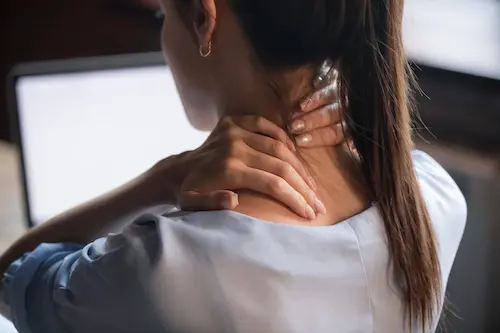
Cervical stenosis often develops gradually as neck structures change over time. Age-related wear, thickened ligaments, bone spurs, and herniated discs can all reduce the space available in the spine. As this space narrows, nearby tissues and nerves become compressed, and this pressure often causes neck pain.
The pain associated with cervical spinal stenosis ranges from mild to severe, depending on the case. Movement, such as turning the head or looking up for extended periods, may increase the discomfort. This ongoing pain commonly makes everyday tasks like driving, reading, and working at a desk more difficult.
Limb Weakness
Cervical stenosis affects the nerves that control movement in the arms, hands, and sometimes the legs, which may lead to limb weakness. When nerve signals are disrupted, muscles don’t respond as expected, and grip strength may decline. This limb weakness commonly directly affects mobility.
Simple actions, such as carrying groceries, opening jars, or gripping a handrail, may become harder to perform. When the legs are affected, some people notice changes in balance or a heavier feeling when walking. These changes influence how a person moves through their home and how they navigate:
- Stairs
- Uneven Ground
- Crowded Spaces
Odd Body Sensations
Beyond pain and weakness, cervical spinal stenosis can produce unusual sensations throughout the upper body. Numbness or tingling may radiate from the neck down through the shoulders, arms, and into the hands. Some people describe tingling or a sensation that a limb has fallen asleep, even at rest.
These sensations can affect daily life in noticeable ways. Fine motor tasks, such as buttoning a shirt, typing, or handling small objects, may feel less precise when the hands are affected. Sleep can be interrupted when symptoms flare at night, and reduced sensation may make it harder to judge temperature or pressure. Combined with pain and weakness, these symptoms affect a person’s work, hobbies, and overall independence.
Cervical stenosis symptoms vary widely from person to person and may change over time. Ongoing neck pain, weakness in the arms or legs, or persistent numbness and tingling are all reasons to speak with a qualified healthcare provider. A medical professional can review your symptoms, perform an examination, and recommend appropriate evaluation based on your situation.
Manage Cervical Stenosis With a Doctor
Living with cervical stenosis involves adjustments to daily routines, but understanding your symptoms can help you manage it. Certain symptoms may signal that you need prompt attention. Sudden or worsening weakness, difficulty with coordination or walking, and changes in bladder or bowel control are examples of concerns that need timely evaluation. An orthopedic surgeon can help you explore options suited to your needs. If you notice new or changing symptoms in your body, schedule an appointment to discuss them with a professional.