
Eye health is a key part of overall well-being, and ophthalmologists treat a wide range of eye conditions. They manage common refractive errors, but they also treat complex diseases such as glaucoma, cataracts, and macular degeneration, which can significantly impact long-term vision. Knowing when to seek an ophthalmologist’s expertise helps protect eye health. Here is more information on ophthalmology:
What Is an Ophthalmologist?
An ophthalmologist is a medical doctor who specializes in eye and vision care. Unlike optometrists, who primarily conduct eye exams and prescribe corrective lenses, ophthalmologists complete medical school. This training qualifies them to diagnose and treat eye diseases, and it also enables them to perform surgery and manage complex ocular conditions.
What Services Do They Offer?
While a standard vision test focuses primarily on visual acuity, ophthalmologists provide a broad range of services that address various medical conditions affecting the eyes. They diagnose and treat conditions such as glaucoma, cataracts, diabetic retinopathy, and macular degeneration. Surgical procedures also fall within their scope of practice; these include cataract removal, pterygium surgery, and retinal surgery.
Routine care is another component of ophthalmological practice, and it encompasses services that support long-term eye health. Standard offerings include comprehensive eye exams, contact lens evaluations, and chronic condition monitoring. Patients with systemic diseases like diabetes or hypertension may be referred to an ophthalmologist because these conditions affect the eyes, making specialized oversight beneficial.
What Does an Appointment Involve?
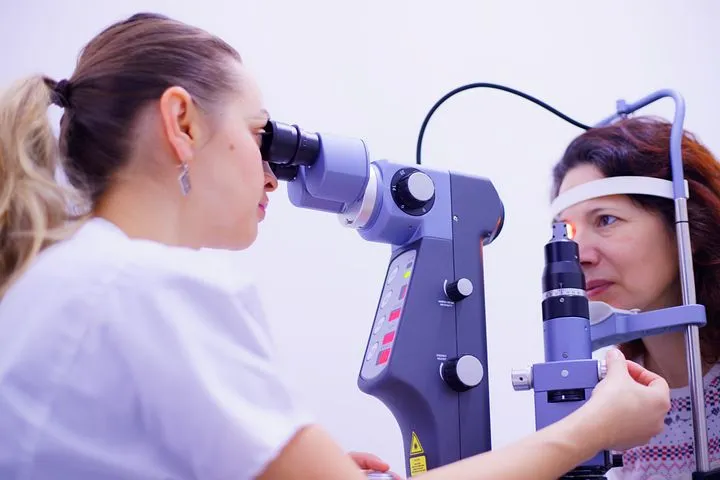
A first appointment with an ophthalmologist typically begins with a review of the patient’s medical history and current symptoms. The ophthalmologist will then conduct a series of tests; these may include visual acuity measurements, eye pressure testing, and a dilated eye exam to assess the retina and optic nerve. If symptoms or the diagnosis require further investigation, the doctor may also perform additional imaging or specialized tests.
Dilation is standard, and it involves eye drops that widen the pupils to give the ophthalmologist a clearer view of the eye’s internal structures. Vision may remain blurred for several hours after dilation. Because this can make driving difficult, arrange transportation in advance.
When Is Professional Care Necessary?
Certain symptoms warrant prompt attention from an ophthalmologist rather than a routine optometry visit. Sudden vision loss, flashes of light, a significant increase in floaters, or eye pain require a professional evaluation; delaying care in these situations can cause permanent damage. If these symptoms arise, seek immediate medical attention.
There are several circumstances in which scheduling a non-emergency appointment is appropriate:
- Gradual vision changes, such as increasing difficulty reading or driving
- Chronic eye conditions, such as dry eye syndrome that does not respond to over-the-counter treatments
- Family history of hereditary eye diseases, including glaucoma
- Systemic conditions, such as diabetes, that carry a risk of eye complications
Routine exams enable early detection, which helps make treatment more effective and outcomes more favorable.
See an Ophthalmologist Today
Eye conditions may be easier to treat when caught early. Whether you are experiencing sudden changes in your vision, managing a chronic condition, or are overdue for a comprehensive exam, an ophthalmologist can provide the specialized care your eyes need. Regular eye exams help protect your vision; schedule an appointment now.