

Key Takeaways
- Real estate developments offer a diverse range of opportunities across residential, commercial, and industrial sectors.
- Technological advancements and market reforms have a significant impact on investment strategies.
- Being up-to-date with current trends increases informed decision-making and potential returns.
Investing in real estate developments offers a dynamic path for diversifying your portfolio in a rapidly changing market. As new investment opportunities arise and technology transforms the sector, it’s crucial to stay informed and strategic. Working with Forest Hills real estate expert Beth Molteni can help you navigate these changes and identify developments that align with your goals. Expert advice keeps investors ahead of regulatory changes, financing options, and emerging market segments, ensuring decisions are aligned with both short-term and long-term financial objectives. This proactive approach helps investors maximize returns and minimize surprises from market shifts or reforms. Real estate development includes various projects—from luxury condos to industrial spaces—each with unique benefits and risks. Knowing land and property development, market reforms, and technology impacts is crucial for success today. Understanding zoning, permits, and construction trends influences timelines, costs, and profitability.

Understanding Real Estate Development Investments
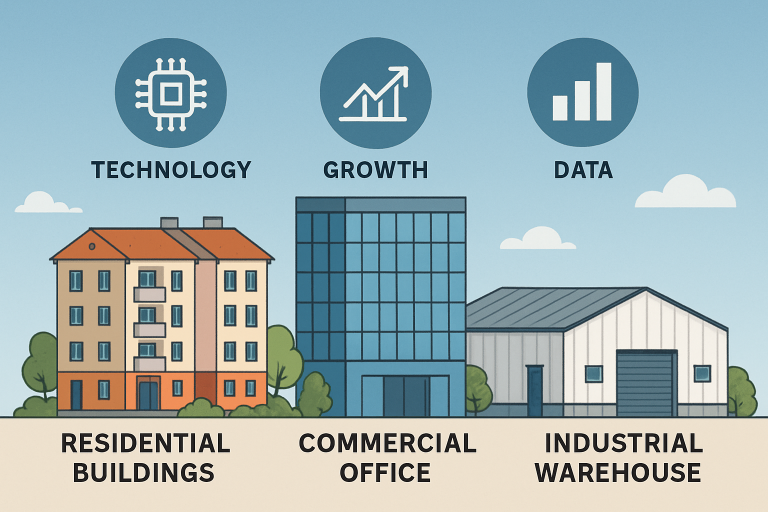
Real estate development investments involve improving land or structures to enhance their market value. This sector spans residential housing projects, commercial complexes, and an increasing number of industrial facilities. Investors can select projects that suit their risk appetite and investment horizons, from safer core assets to opportunistic developments. Engaging in development projects typically means participating from the ground up—starting with site selection and acquisition, moving through zoning, planning, design, and ultimately construction and sale or leasing. The returns associated with these projects often outpace those of traditional real estate investments, but they also carry greater risks, such as delays due to permitting, fluctuating labor and materials costs, and changes in market demand. As such, thorough due diligence, market analysis, and project management are essential for achieving successful outcomes.
Current Market Trends
The real estate investment landscape has evolved, with many funds, such as Carlyle’s $9 billion U.S. real estate fund, moving away from traditional office spaces and hospitality towards residential, self-storage, and industrial sectors. This reflects broader trends of seeking assets with reliable, long-term demand and growth potential. Post-pandemic shifts in living and working behaviors have increased demand for flexible workspaces, suburban rental communities, and properties that support e-commerce logistics and last-mile delivery, underscoring the need for agility among investors. Population growth in certain regions, migration from urban to suburban areas, and the rise of hybrid work models are creating robust markets outside major metropolitan centers, offering investors a wider array of choices for both high-return and steady-income investments.
Technological Innovations in Real Estate
Tech advancements are transforming how investors and buyers engage with real estate. Virtual tours, immersive 3D walkthroughs, and the blockchain are revolutionizing transaction transparency and efficiency. By 2025, it’s expected that most listings will feature VR tours, increasing buyer engagement and accelerating deal closings. According to a recent industry report, listings with 3D tours generate 40% more engagement and faster sales. Blockchain-based smart contracts remove friction from closings by automating escrow processes and reducing administrative overhead. Additionally, artificial intelligence is being leveraged for property valuations and predictive analytics, enabling investors to quickly identify lucrative deals, forecast returns, and assess risks. This technology-driven transformation is creating a more accessible, data-driven, and competitive landscape for all stakeholders.
Impact of Market Reforms
Legislative changes are driving new possibilities for real estate development. Since 2023, more than 123 pro-housing bills have been passed throughout the United States, with states such as Texas, Colorado, and Arizona taking the lead. These reforms include eliminating minimum parking rules and encouraging multifamily developments near transit hubs, which opens new avenues for developers and investors alike. Policy changes are often designed to increase housing supply, promote affordability, and ease regulatory bottlenecks that have stymied growth. Investors who understand the local effects of these reforms can anticipate which markets will benefit from regulatory tailwinds, often identifying profitable opportunities ahead of the broader market. Adapting to new zoning regulations can lead to the redevelopment of underutilized land or the creation of mixed-use projects that are more resilient to economic cycles. Staying informed about ongoing legislative developments allows for timely and strategic investment decisions that align with emerging market realities.
Identifying Promising Investment Opportunities
Emerging communities and specialized sectors, such as data centers, are attracting significant capital. The growth of AI and high-performance computing is driving enormous demand for industrial infrastructure in cities such as Austin, where companies are investing billions into suburban data hubs. Identifying neighborhoods on the cusp of transformation or sectors with unique tailwinds can boost long-term returns. Opportunity zones and targeted redevelopment initiatives continue to bring renewal and growth to overlooked communities. Understanding local demographics, job growth trends, and planned public infrastructure investments—such as new transit lines or public amenities—can reveal which neighborhoods are likely to appreciate most rapidly. Some of the most successful recent investments have targeted areas that benefit from state or federal incentives, or those located near burgeoning innovation centers and education hubs. With careful analysis and long-term vision, investors can successfully ride new waves in real estate growth.
Risk Management Strategies
Effective investing in real estate includes robust risk management. The coming years will see $1.3 trillion in U.S. commercial loans mature, raising refinancing challenges amid higher interest rates. For investors with ample liquidity, this could offer opportunities to acquire distressed assets at favorable prices. Analyzing loan maturities, debt exposure, and market cycles are all prudent steps for those seeking to minimize risk. Managing risk also means diversification: spreading investments across several asset types, geographic regions, and project stages to avoid overconcentration. Taking a conservative approach with leverage, monitoring rental and occupancy rates, and keeping up with insurance requirements helps shield against market volatility. Maintaining access to flexible capital enables investors to respond quickly in times of disruption, capitalizing on bargains and repositioning their portfolios as market conditions change.
The Role of Real Estate Investment Trusts (REITs)
REITs provide investors with access to the advantages of real estate without requiring direct property management, offering liquidity, diversification, and dividend potential. Recently, a consortium signaled renewed confidence in this model by planning a $1 billion Singapore REIT. This trend illustrates how both institutional and retail investors can gain exposure to strategic real estate sectors via REITs. These vehicles pool investors’ resources to acquire portfolios of income-generating properties, distributing earnings as dividends and providing a low-barrier way to access a wide variety of real estate types. Many REITs are traded publicly, allowing for easy liquidity compared to direct ownership, and investors can choose from specialized funds targeting everything from office space and malls to healthcare, storage, and technology infrastructure. REITs also enable geographic and sectoral diversification, which can help smooth returns and reduce exposure to localized downturns in any one market.
Conclusion
Thorough market research and awareness of legislative, technological, and credit-related shifts are vital for success in real estate development investments. By staying up-to-date with the latest trends and leveraging expert guidance, today’s investors can identify the most promising sectors and navigate risk for sustainable returns in a constantly evolving landscape. Proactive investors should take advantage of educational opportunities, networking events, and alliances with real estate professionals to stay competitive. While no investment is without risk, those who embrace data-driven analysis, ongoing learning, and adaptability are best positioned to thrive in the evolving world of real estate development investing in 2025 and beyond.