
Hernias are a common medical condition, and surgery is one recommended treatment. Knowing what to expect from hernia repair surgery can help you make informed decisions about your care. Here is more information about how and when a hernia surgeon conducts hernia repair surgery:
Understanding Hernias
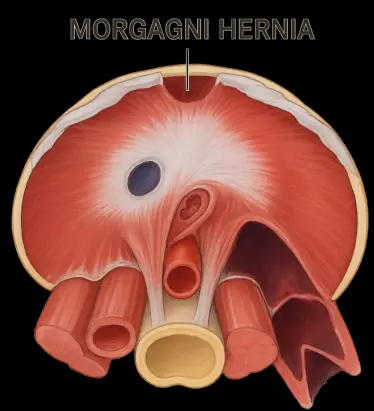
A hernia occurs when an organ or fatty tissue pushes through a weak spot in the surrounding muscle or connective tissue. A hernia surgeon can diagnose the most common types, including inguinal, umbilical, and hiatal hernias. Hernias develop for a variety of reasons; these causes include physical strain, obesity, pregnancy, chronic coughing, and prior surgical incisions.
Identifying Warning Signs for Surgery
Hernia repair surgery is a procedure that closes the weak spot in the muscle wall to keep organs and tissue in their proper place. Surgeons may use open surgery or minimally invasive laparoscopic techniques depending on the hernia’s size and location. Not every hernia requires immediate surgery, but certain symptoms signal that intervention may be beneficial:
- A visible bulge in the abdomen or groin that grows larger over time
- Pain or discomfort when coughing or lifting
- A feeling of heaviness or pressure in the affected area
- Vomiting or the inability to pass gas
When a hernia becomes trapped or it cuts off blood supply, the need for surgery becomes urgent.
Exploring the Steps of Surgery
The surgical process follows a standard progression. First, the surgical team administers anesthesia. After the anesthesia is set, the surgeon then makes an incision near the hernia site and gently moves the displaced tissue back into place. After that, the surgeon reinforces the weakened area with sutures or a synthetic mesh. The incision is closed, and the patient is monitored during recovery.
Laparoscopic repair follows the same general steps, but the surgeon uses a small camera and instruments inserted through tiny incisions. Recovery time for laparoscopic procedures tends to be shorter than for open surgery. When a surgeon performs laparoscopic surgery, it also helps decrease the risk of recurrence.
Reviewing the Risks and Benefits
Like any surgical procedure, hernia repair carries some risks. Patients should be aware of the following possibilities:
- Infection at the incision site
- Hematoma, or blood collecting
- Hernia recurrence, particularly if lifestyle factors that contributed to the hernia are not addressed
The benefits of hernia repair are significant and, for many patients, outweigh the risks. Surgery relieves chronic pain and prevents life-threatening complications. Patients who undergo repair may regain full physical function and return to normal activities within a few weeks. Mesh reinforcement has also reduced recurrence rates compared to older repair techniques. The right timing for surgery depends on the hernia’s severity, the patient’s overall health, and the presence of symptoms; a physician can evaluate these factors and recommend the most appropriate course of action.
Find a Local Hernia Surgeon
Hernia surgery is a well-established procedure that can reduce pain and other symptoms caused by a hernia. Surgery is the most common treatment for a hernia; your healthcare provider can discuss your candidacy for this surgery after your diagnosis. To learn more about hernia repair surgery, consult a hernia surgeon near you.