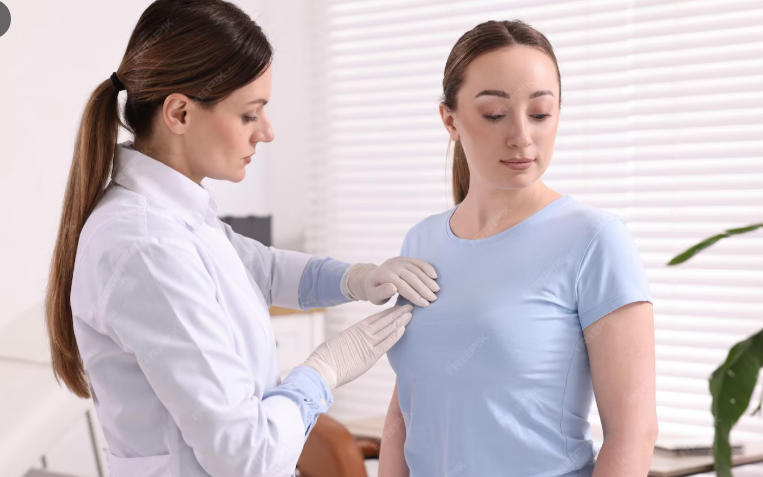
Reconstructive breast surgery rebuilds the shape of a breast after a mastectomy, and multiple approaches may be available. This procedure involves several stages, which depend on the specific surgical approach chosen. The goal is to restore the breast’s appearance. Here is more information about the steps involved with this surgical procedure:
Expanding Tissues
Many reconstructions begin with tissue expansion. A surgeon places a balloon expander under the skin and chest muscle; this is a temporary device. The surgeon will gradually inject saline into the expander over several weeks or months, which allows the skin to stretch slowly. This process creates a pocket for a future breast implant.
Replacing With Implants
Once the skin has stretched enough, the next stage of reconstructive breast surgery begins. The surgeon typically removes the tissue expander in a follow-up operation, and next, they will insert a permanent breast implant. This implant, containing either silicone or saline, will fill the space that the expander created.
This method gives the breast its new shape. The type of implant is selected by the doctor, and it is typically based on individual factors and the surgical plan. The recovery process after implant placement is typically straightforward, but patients are advised to follow postoperative care instructions carefully, as this helps ensure proper healing and optimal results.
Using Autologous Tissue
An alternative to implants is using your own body tissue, which is called autologous or “flap” surgery. This approach uses skin, fat, and sometimes muscle from another part of your body. Typical donor sites include the abdomen, back, or thighs. The surgeon transfers this tissue to the chest to create a new breast mound.
Autologous tissue reconstruction is a more complex operation. It involves a longer surgery and recovery period. The procedure requires specialized surgical skills to connect blood vessels from the flap to the chest area. This connection keeps the transferred tissue alive. The result aims to create a breast that feels more natural and adjusts in size with your body weight.
Different flap procedures are available, and a surgeon might use various approaches. Since each takes tissue from a different location, the specific technique chosen depends on your body type and medical history. Your surgical team will explain the ideal option for your situation.
Reconstructing the Nipple and Areola
After creating the breast mound, the final stage is typically the reconstruction of the nipple and areola. Surgeons can use skin from the new breast or a skin graft from another area. This skin is shaped to form a new nipple, and several techniques are available:
- Skin flap
- Skin graft
- Composite graft
A few months later, tattooing can add color and definition to create a more realistic areola. This procedure is straightforward, and it is typically done on an outpatient basis. It helps complete the breast’s appearance.
Schedule Reconstructive Breast Surgery
Learning about the steps of reconstructive surgery is a good starting point, and the process is unique for each person. When you need surgery, a personal consultation provides specific information tailored to your body and health. Contact a plastic surgery office today to schedule an appointment with a medical provider.
- Managing Vaginal Irritation and Tissue Sensitivity: Causes and Solutions
- Benefits of Regular Chiropractic Care for Improved Health and Mobility
- Understanding How Botox Works
- Understanding the Steps of Reconstructive Breast Surgery
- Understanding the Impact of Cognitive Behavioral Therapy on Mental Health