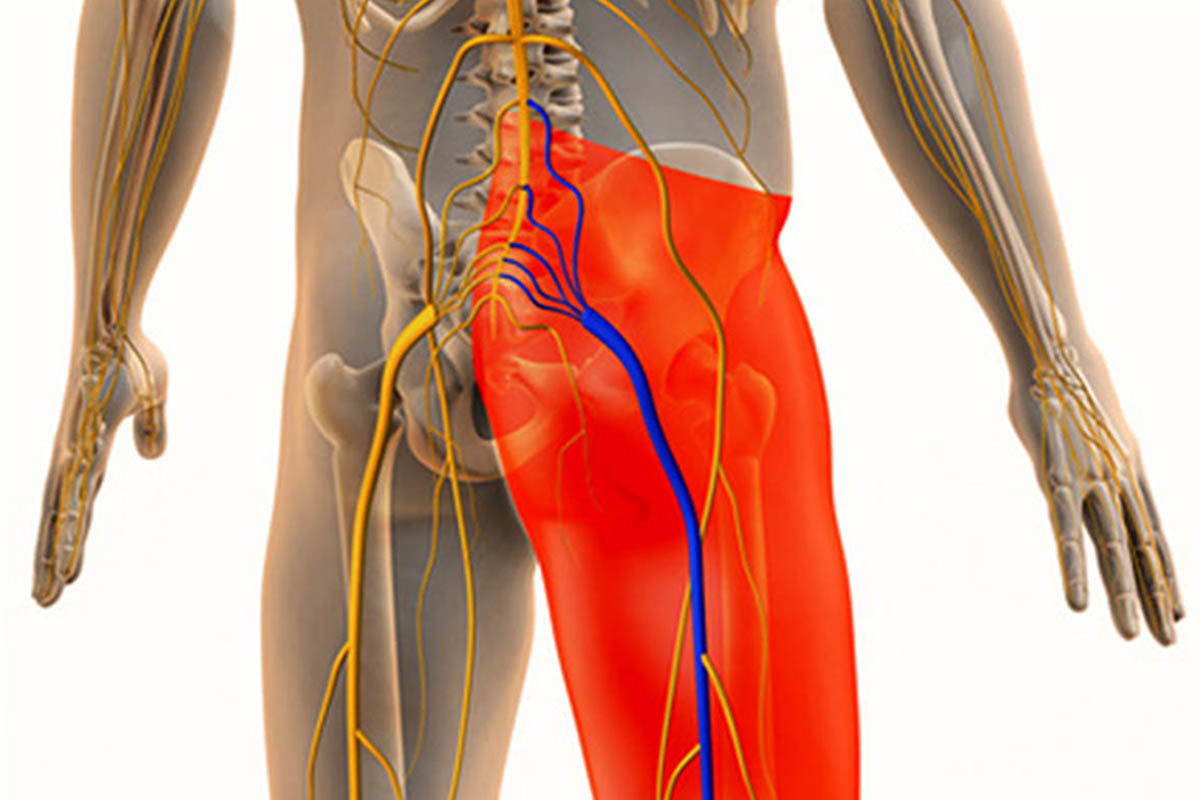
Sciatica refers to nerve pain that originates from an injury or irritation to the sciatic nerve. The pain often feels like a burning sensation or an electric shock, radiating from the lower back through the hip and buttock, and down one leg. This condition is not a disease itself, but a symptom of an underlying medical issue, such as a herniated disk or spinal stenosis compressing the nerve. Treatment, intervention, and understanding help individuals find relief.
Sciatica Treatment
For many individuals, sciatica symptoms improve over a few weeks with self-care and non-invasive methods. The initial approach focuses on reducing pain and inflammation. Common strategies include applying cold packs for the first few days to reduce swelling, followed by heat to soothe muscle tension. Over-the-counter drugs (NSAIDs) can also help manage pain and inflammation. While rest is beneficial for the first couple of days, prolonged inactivity can worsen symptoms. Gentle stretching and low-impact activities like walking are encouraged to maintain flexibility and strength.
When self-treatment is insufficient, a healthcare provider may suggest more structured conservative treatments. Physical therapy is part of sciatica management. A therapist can design a program with specific stretching and strengthening exercises to reduce nerve pressure and improve core and back muscle support. If pain persists, a provider might recommend prescription medications, such as muscle relaxers or specific drugs for nerve-based pain. Another option is a spinal injection, which delivers anti-inflammatory medication directly to the area around the affected nerve, providing temporary relief for up to three months.
Sciatica Lifestyle
Advanced treatment may be needed when conservative care does not relieve symptoms. If pain continues after six to eight weeks, or if muscle weakness or loss of bladder control develops, further evaluation is required. These symptoms suggest significant nerve compression, and they may require prompt medical attention. Surgery is considered when nerve damage is present or when pain severely limits daily activities. Common procedures include a diskectomy, which removes the portion of a herniated disk pressing on the nerve, and a laminectomy, where part of the vertebra is removed to create more space for the nerve.
Lifestyle changes support long-term management and prevention of sciatica. Maintaining a healthy weight reduces pressure on the spine. Regular physical activity strengthens supportive muscles, and low-impact exercise helps protect the back. Proper lumbar support and avoiding prolonged sitting reduce recurrence risk. When lifting objects, correct technique is essential, and bending at the knees while keeping the back straight minimizes strain. If these habits are applied consistently, spinal stress decreases and future flare-ups become less likely.
Sciatica Prevention
Sciatica occurs when the sciatic nerve becomes pinched or compressed. The most frequent cause is a herniated or bulging disk in the lumbar spine, and this pressure irritates the nerve. Other common causes include degenerative disk disease and spinal stenosis, which narrows the spinal canal and limits nerve space. Spondylolisthesis can also contribute, and it occurs when one vertebra slips forward over another. Age-related spinal changes, such as osteoarthritis, often worsen compression because joint degeneration reduces stability. Although less common, tumors, cysts, pregnancy-related pressure, or direct back injuries may also compress the nerve and trigger symptoms.
Preventing sciatica involves habits that support spinal health. Good posture while sitting and standing reduces strain on the lower back. Regular exercise strengthens the core muscles, and stronger muscles provide better spinal support. Low-impact movement improves flexibility, but targeted strengthening improves long-term stability. Fall prevention is also important, especially when balance changes with age, because supportive footwear and clear walkways reduce injury risk. Tobacco use affects circulation, and quitting smoking is recommended because nicotine weakens bone and connective tissue. When individuals understand these risk factors and apply preventive strategies consistently, the likelihood of developing sciatica decreases.
Seek Relief
Ultimately, managing sciatica often involves a combination of strategies tailored to the underlying cause and severity of symptoms. Most cases resolve with time and consistent application of conservative treatments. However, consulting a healthcare provider for an accurate diagnosis is appropriate for creating a treatment plan and ruling out more serious conditions. A professional can guide you through recovery and help you return to your daily activities safely.
- Managing Vaginal Irritation and Tissue Sensitivity: Causes and Solutions
- Benefits of Regular Chiropractic Care for Improved Health and Mobility
- Understanding How Botox Works
- Understanding the Steps of Reconstructive Breast Surgery
- Understanding the Impact of Cognitive Behavioral Therapy on Mental Health